Potato Salad, Reinvented: Why Japanese Sarada Deserves a Spot at Your Cookout
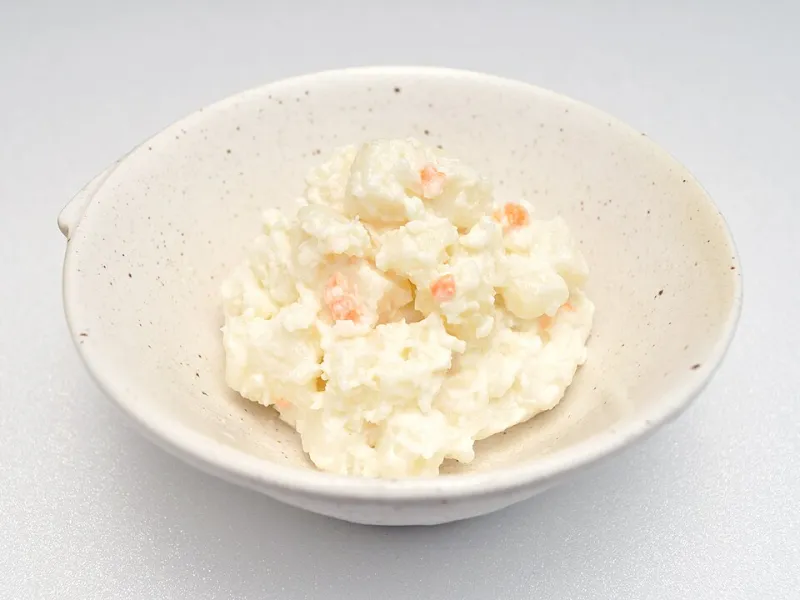
Photo: Ocdp, CC0, via Wikimedia Commons
American potato salad and Japanese potato sarada both start with potatoes. After that, they take different trains. The American deli classic is often chunky, mustardy, and sharp with relish or celery. The Japanese version is softer, creamier, and a little tangy, with cucumber and carrot folded through. It tastes like a potato salad that went on vacation and came back with better manners.
Two Potato Salads, Two Personalities
The American deli style is built for contrast. You want the crunch of celery, the bite of raw onion, the snap of pickle relish, and the heat of mustard. Mayonnaise is there, but it is not the whole story. The salad is chunky and assertive. It wants to be noticed next to a burger.
Japanese sarada is built for softness. The potatoes are often mashed while warm, so they drink up the dressing. Cucumber is salted and squeezed dry so it stays crisp without watering things down. Carrot is sliced thin or cut into small matchsticks. Sometimes there is ham, corn, peas, or a little apple. The dressing is Kewpie mayonnaise, rice vinegar, a pinch of sugar, salt, and pepper. The result is creamy, tangy, and gently sweet. It is the kind of salad that makes you take a second spoonful before you have finished the first.
Why Kewpie Changes the Math
Kewpie is not just mayonnaise with a cute baby on the bottle. It is richer, tangier, and more savory than most American jarred mayo. It uses egg yolks rather than whole eggs, which gives it a deeper yellow color and a denser texture. It also contains rice vinegar and a small amount of MSG, which is why it tastes so rounded and savory. You do not need to add a lot of salt or sugar to make it sing.
Rice vinegar is the other half of the equation. It is milder than distilled white vinegar, with a slight sweetness that fits the Japanese pantry. It cuts through the richness of the mayo without making the salad sour. A little sugar balances the vinegar. A little salt pulls everything forward. That is the whole dressing: Kewpie, rice vinegar, sugar, salt, pepper. Nothing fancy. Everything intentional.
A Flexible Formula for Sarada
Think of this as a ratio, not a recipe. For about four to six servings, start with two pounds of waxy potatoes, such as Yukon Gold. Boil them until tender, then drain and let them steam dry for a few minutes. Peel them if you like, or leave the skins on for a more rustic texture. Mash them roughly with a fork while they are still warm. You want a mix of crushed and chunked potatoes, not a puree.
While the potatoes cook, prepare the vegetables. Thinly slice one Persian cucumber, sprinkle it with salt, and let it sit for ten minutes. Squeeze out the excess water with your hands or a clean towel. Grate or julienne one small carrot. If you want onion, use a quarter of a red onion, sliced thin and rinsed under cold water to tame the bite. Pat everything dry.
For the dressing, whisk together half a cup of Kewpie mayonnaise, two tablespoons of rice vinegar, one teaspoon of sugar, a quarter teaspoon of salt, and a few grinds of black pepper. Taste it. It should be creamy, tangy, and just a little sweet. If it is too thick, add another splash of rice vinegar. If it is too sharp, add a little more mayo.
Fold the vegetables into the warm potatoes, then add the dressing. Mix gently. You want the salad to hold together without turning gluey. Taste again. Add salt, pepper, or vinegar as needed. Chill for at least an hour before serving. The flavors need time to settle.
Mix-Ins and Make-Ahead Notes
Japanese sarada is forgiving. Add diced ham, cooked shrimp, or a handful of corn. Fold in a chopped apple for a little sweetness. Add peas, edamame, or a spoonful of whole-grain mustard if you want a sharper edge. Just keep the base formula in mind: creamy dressing, tangy vinegar, crisp vegetables, soft potatoes.
This salad is best made a few hours ahead. It travels well to a picnic or a backyard barbecue, but keep it cold. If you are bringing it to a holiday table in November, it also works as a cool, creamy counterpoint to richer dishes. Do not freeze it. The texture will suffer. And do not be afraid to make it your own. The American deli version has its place. The Japanese cousin just brings a different kind of comfort.
At Freeman's Shokudo, we like a potato salad that knows how to be both rich and bright. Kewpie does most of the heavy lifting. Rice vinegar keeps it honest. The rest is just potatoes, vegetables, and a little patience while the flavors come together.