One Tray, Zero Chaos: The Japanese Set Meal Formula That Fixes Weeknight Dinners
There's a moment that happens at a lot of American dinner tables. The main dish is done — maybe a roast chicken, maybe a stir-fry — and then you stand at the fridge wondering what else to put on the plate. A vegetable? Sure, which one? A starch? Rice or potatoes or... nothing? Dinner becomes a nightly improvisation, and improvisation is exhausting.
In Japan, this problem was solved a long time ago. It's called teishoku, the set meal, and once you understand its logic, you'll never look at your dinner plate the same way.
What Exactly Is a Teishoku?
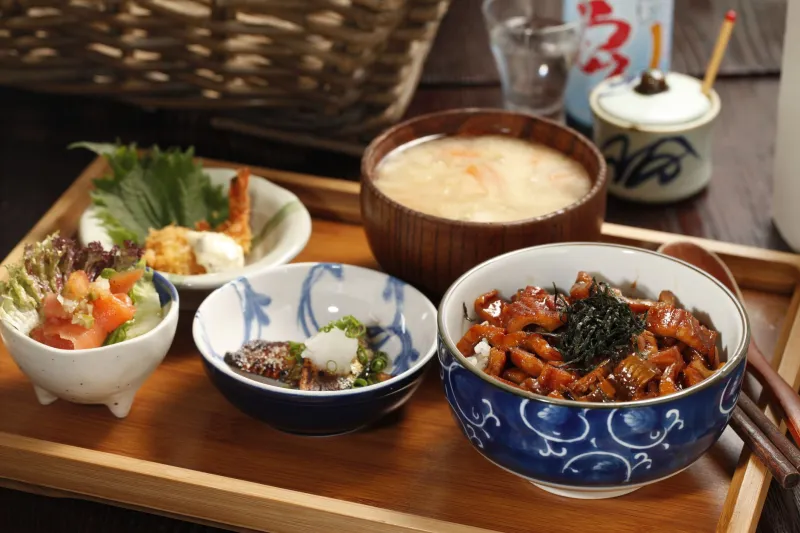
Walk into any teishoku-ya (a set meal restaurant) in Tokyo or Osaka, and your order arrives as a complete tray. Not a plate — a tray. Rice in its own bowl. Miso soup in a lidded cup. A main dish, usually protein. And two or three small dishes: pickles, blanched greens, a bit of simmered squash, some shredded cabbage.
Nothing touches. Everything has its place. And crucially, the meal is already balanced before you take a single bite. Nobody at a teishoku counter is asking, "Should I order a side with that?" The side question doesn't exist. It's baked into the format.
The classic formula looks like this:
- Rice — the foundation, about a cup
- Soup — usually miso, with whatever's in season
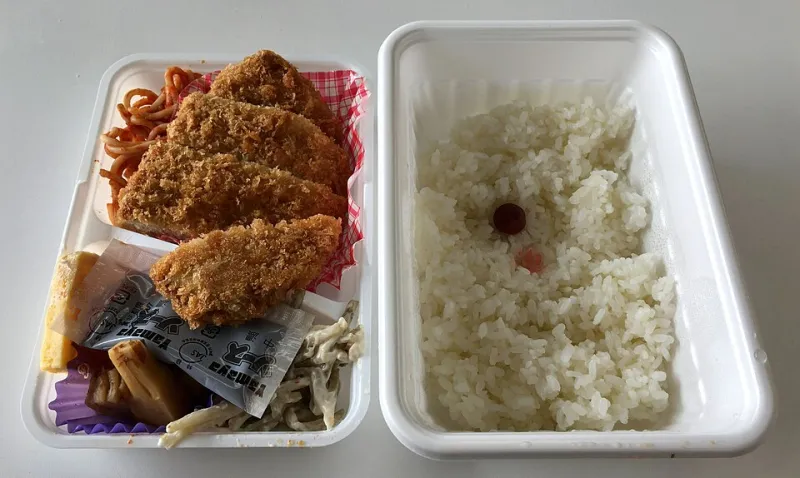
- One main — grilled fish, karaage, tonkatsu, simmered pork
- Two small sides — pickles plus one vegetable dish
That's it. Four moving parts, one of which (the rice) requires almost no thought, and one of which (the soup) can be a five-minute affair.
Why the Format Just Works
The genius of teishoku isn't the food itself — it's the architecture. American dining culture leans hard on the "hero plate": one big dish that's supposed to do everything. When the hero is good, great. When it's mediocre, the whole meal is mediocre.
Teishoku spreads the risk. Your main can be simple — a piece of salt-grilled salmon, a couple of fried chicken thighs — because the pickles bring acidity, the soup brings warmth and umami, and the rice ties it together. A boring protein becomes a good meal. A good protein becomes a great one.
There's a practical payoff, too. Variety sneaks in without effort. You end up eating three or four different plant foods per dinner without ever thinking about "eating the rainbow." Nutritionists would charge good money for that outcome.
And for anyone who's tried meal planning and quit by week two: teishoku is a template, not a recipe list. You're not following instructions. You're filling slots.
The Weeknight Teishoku Playbook
Here's how to run the format in an American kitchen, with three templates that cover the most common weeknight situations.
Template 1: The 30-Minute Standard
Main: Pan-seared pork chops or chicken thighs with salt and pepper. Soup: Quick miso soup — dissolve paste in hot dashi (instant works fine), drop in cubed tofu and a handful of spinach. Sides: Store-bought pickles (kimchi totally counts) and steamed broccoli with a drizzle of soy and sesame oil. Rice: Cook a big batch on Sunday; reheat what you need.
The trick here is parallel processing. Get the rice reheating first, start the soup base, then cook the main while the broccoli steams. Everything lands at once, tray-style.
Template 2: The Leftover Rescue
Teishoku might be the best leftover system ever invented. Last night's rotisserie chicken becomes the main. Half a bag of baby carrots gets simmered with soy, mirin, and a splash of water — five minutes, and suddenly you have nimono, a proper Japanese simmered dish. Cucumber sliced thin with rice vinegar and a pinch of salt becomes a quick sunomono salad. The soup is the same as always, because it's always the same, and that's the point.
Template 3: The Fish Night
Main: Any firm white fish or salmon fillet, seasoned with salt (shioyaki-style) or miso if you're feeling fancy — smear it on 30 minutes ahead, wipe it off, broil. Sides: Shredded cabbage (the classic tonkatsu accompaniment) and pickled daikon or turnip. Soup: Miso with wakame, or honestly, any clear broth you like.
Broiling fish feels like a restaurant move but takes twelve minutes. The shredded cabbage requires a knife and zero skill. This is the template that makes you feel like you have your life together.
A Few Rules of Thumb
- Small bowls are your friend. The little dishes aren't precious; they're portion control and presentation in one. Thrift stores are full of them for a dollar apiece.
- Pickles do the heavy lifting. A jar of good pickles — Japanese, Korean, or a quick refrigerator cucumber pickle — is the difference between a flat meal and a lively one.
- Rice is non-negotiable, but the soup can flex. Miso is traditional, but chicken broth with scallions works. The slot matters more than the specific filling.
- Make it a tray. Serving the meal as separate components, even on regular plates, changes how you eat it. You taste each thing on its own terms.
The Bigger Idea
What teishoku really offers is a decision framework disguised as a meal. Rice, soup, main, sides. Fill the slots with whatever you have. The structure does the thinking so you don't have to — which, on a Tuesday night after work, might be the most comforting thing a dinner can do.
American comfort food gave us the casserole and the one-pan wonder. Japanese comfort food gives us something quieter: a system. Try it once this week. Set the tray. Watch how fast dinner stops being a question and starts being an answer.