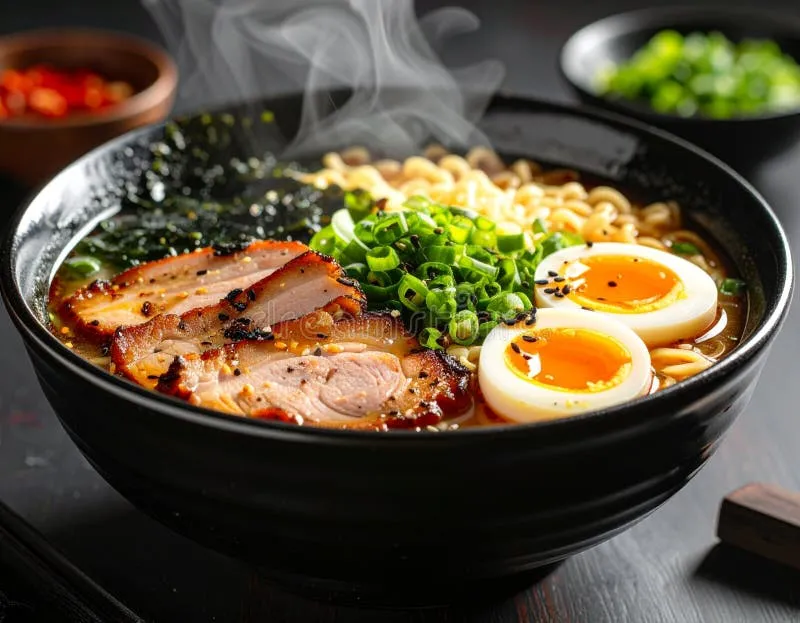
Bowl Goals: How to Build a Donburi at Home That Actually Tastes Like the Real Thing
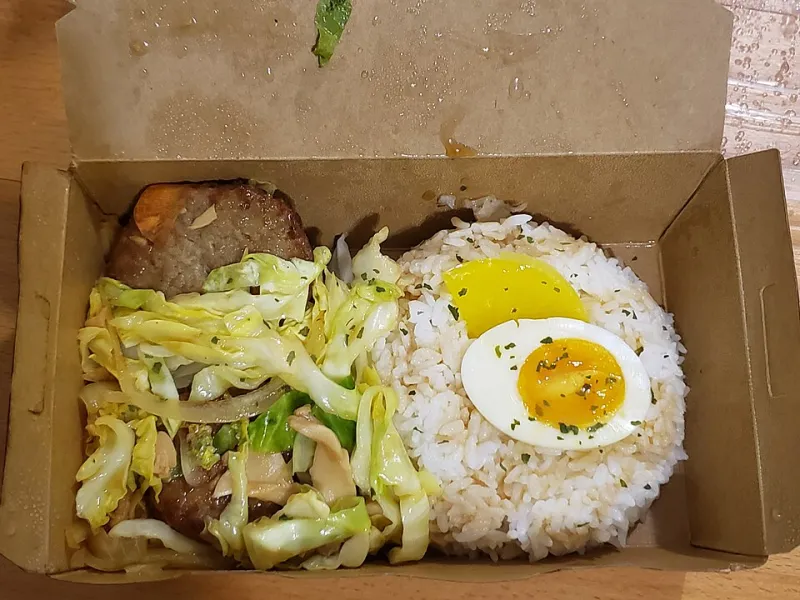
Photo: Andy Li, CC0, via Wikimedia Commons
There's a reason donburi has been feeding Japan for centuries. It's fast, it's filling, and when it's done right, it hits that particular sweet spot between nourishing and indulgent that comfort food is supposed to hit. A bowl of gyudon after a long shift, a silky oyakodon on a rainy Tuesday — these aren't just meals. They're a whole mood.
At Freeman's, we think donburi deserves a permanent spot in the American home cook's rotation. Not as some exotic weekend project, but as the kind of reliable, weeknight workhorse that your family starts requesting on repeat. The good news? You don't need a culinary degree or a pantry full of obscure imports to make it happen. You just need a little know-how and the right starting point.
Let's get into it.
What Exactly Is Donburi?
Donburi — often shortened to "don" — literally means "bowl" in Japanese. The dish is exactly what it sounds like: a deep bowl of steamed short-grain rice topped with a seasoned protein and sauce, sometimes finished with egg, pickled vegetables, or a drizzle of something punchy.
The beauty of donburi is in its range. Gyudon features thinly sliced beef simmered in a sweet-savory dashi broth. Oyakodon layers chicken and egg in a glossy, onion-laced sauce (the name, poetically, translates to "parent and child"). Katsudon crowns a breaded pork cutlet with softly set egg. Each variation has its own personality, but they all share the same structural DNA: great rice, a deeply flavored topping, and a sauce that ties everything together.
Start With the Rice — Seriously
If there's one place American home cooks tend to shortchange themselves on donburi, it's the rice. This isn't the moment for long-grain or instant. You want Japanese short-grain rice — brands like Koshihikari or Calrose (widely available at Whole Foods, H-E-B, and most Asian grocery stores) give you that characteristic sticky, slightly chewy texture that holds up under a saucy topping without turning to mush.
Wash your rice until the water runs mostly clear, then cook it in a rice cooker or on the stovetop using a 1:1.1 ratio of rice to water. Let it steam, covered, for ten minutes after cooking. That rest period matters more than people realize — it's what gives the grains that pillowy, cohesive quality.
Building Your Donburi Pantry
The flavor backbone of most donburi sauces comes from just a handful of Japanese pantry staples. Here's what you actually need:
- Soy sauce — Go for a quality Japanese brand like Kikkoman or Yamasa. The flavor profile is noticeably different from Chinese soy sauce, and it matters here.
- Mirin — A sweet rice wine that adds body and a subtle caramel note. Find it at most major grocery chains or order online.
- Sake — Cooking sake works fine. It brightens the sauce and helps tenderize proteins.
- Dashi — This is the quiet superstar of Japanese cooking. A light, umami-rich stock made from kombu and bonito flakes, dashi is the foundation of most donburi sauces. You can make it from scratch in 20 minutes, or use instant dashi powder (Hon Dashi by Ajinomoto is a solid shortcut) dissolved in warm water.
With these four ingredients, you can make virtually every classic donburi sauce. The ratio shifts slightly depending on the dish, but the basic formula is roughly 1 part soy sauce, 1 part mirin, 1 part sake, and 2-3 parts dashi.
A Beginner-Friendly Recipe: Oyakodon (Chicken and Egg Bowl)
Oyakodon is the perfect entry point. It comes together in under 20 minutes, uses ingredients you can find at any supermarket, and delivers a flavor-to-effort ratio that feels almost unfair.
Serves 2
Ingredients:
- 2 cups cooked Japanese short-grain rice
- 2 boneless, skinless chicken thighs, cut into bite-sized pieces
- ½ yellow onion, thinly sliced
- 3 large eggs, lightly beaten
- ½ cup dashi (or ½ tsp Hon Dashi dissolved in ½ cup water)
- 2 tbsp soy sauce
- 2 tbsp mirin
- 1 tbsp sake
- 1 tsp sugar
- 2 green onions, thinly sliced, for garnish
Instructions:
- Combine the dashi, soy sauce, mirin, sake, and sugar in a small bowl and stir to dissolve.
- In a medium skillet over medium heat, add the onion and pour in the sauce mixture. Simmer for 2-3 minutes until the onion softens slightly.
- Add the chicken pieces in a single layer. Cook for 4-5 minutes, turning once, until mostly cooked through.
- Pour the beaten eggs evenly over the chicken and onion. Cover the pan and cook on low heat for about 90 seconds — you want the egg just barely set, still slightly custardy on top. That creamy, soft-set egg is the whole point.
- Scoop rice into bowls, slide the chicken and egg mixture on top using a wide spatula, and spoon the remaining pan sauce over everything.
- Finish with sliced green onions.
Customizing for American Kitchens
One of the things we love most about donburi at Freeman's is how naturally it adapts. Swap chicken thighs for rotisserie chicken when you're in a pinch. Try a salmon donburi with teriyaki glaze and a handful of shredded cabbage for crunch. Vegetarians can do beautifully with mushrooms — shiitake and king oyster simmered in that same dashi-soy sauce are genuinely outstanding.
For a Tex-Mex-adjacent spin that's become a quiet favorite in our test kitchen, try a spicy ground pork don with gochujang stirred into the sauce and a fried egg on top. Not traditional, not trying to be — but absolutely delicious.
The Mindset Behind the Bowl
Donburi isn't about perfection. In Japan, it's everyday food — the kind of thing a mom pulls together on a weeknight or a salaryman eats standing at a lunch counter. That accessibility is the whole point. The dish asks you to trust simple ingredients, respect the rice, and not overthink the sauce.
At Freeman's, that philosophy runs pretty deep. Comfort food — whether it's Japanese, American, or somewhere in between — is at its best when it's honest. A great donburi bowl doesn't need to announce itself. It just needs to taste like exactly what you needed after a long day.
Now go wash that rice.