Dinner at the Machine: What Japan's Vending Food Culture Says About the Way America Eats
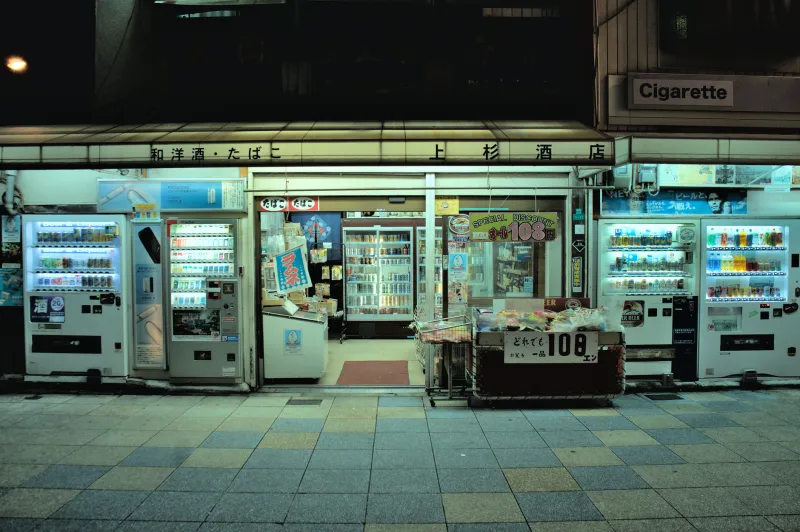
There's a moment every first-time visitor to Tokyo remembers: standing on a train platform at midnight, hungry, slightly lost, and realizing that the glowing machine three feet away can hand you a hot bowl of ramen faster than most restaurants back home can bring you water.
We've written before about the quiet magic of the konbini — the convenience stores that reshaped how we think about grab-and-go. But konbini culture has an older, weirder sibling. It's the vending machine, and in Japan, it never stopped evolving.
A Machine for Every Craving
Japan has roughly one vending machine for every 30 people. Most dispense drinks, sure — but "most" is doing a lot of work there, because the outliers are where things get interesting.
Start with the classics. Hot canned coffee, sold sweet or black, warm in winter and cold in summer, is its own beloved category. It's not the sad gas station coffee of an American rest stop; it's a genuinely good cup, engineered to survive months on a shelf and emerge tasting like something a café would pour.
Then there are the machines that blur the line between vending and cooking. At certain train stations — Sagami-Ōno's famous ramen dispenser being the cult favorite — you feed coins into a machine and receive a bowl built to order: noodles blanched on the spot, broth mixed hot, toppings dropped in. It takes about 25 seconds. Locals swear by it. Some swear at it, affectionately. Either way, it's been running since the 1970s.
And the fringe? That's where you find machines selling fresh udon, hot corn soup in a can, boiled eggs, frozen yuzu honey, and — yes — fried foods kept warm under heat lamps inside the unit itself. Midnight tempura from a steel box is not a metaphor. It's a Tuesday.
Why It Works Over There
The obvious question from an American perspective: why did this flourish in Japan and stall here?
The honest answer is a stack of small advantages. Japan's urban density means a machine serves thousands of people within a two-minute walk. Labor costs and labor shortages made automation attractive decades ago. Vending operators developed reputations for restocking fast and keeping units spotless — a stale sandwich in a Japanese machine is rare enough to be newsworthy. And culturally, there's less stigma around eating alone, quickly, standing up. A machine dinner isn't a failure state. It's just dinner.
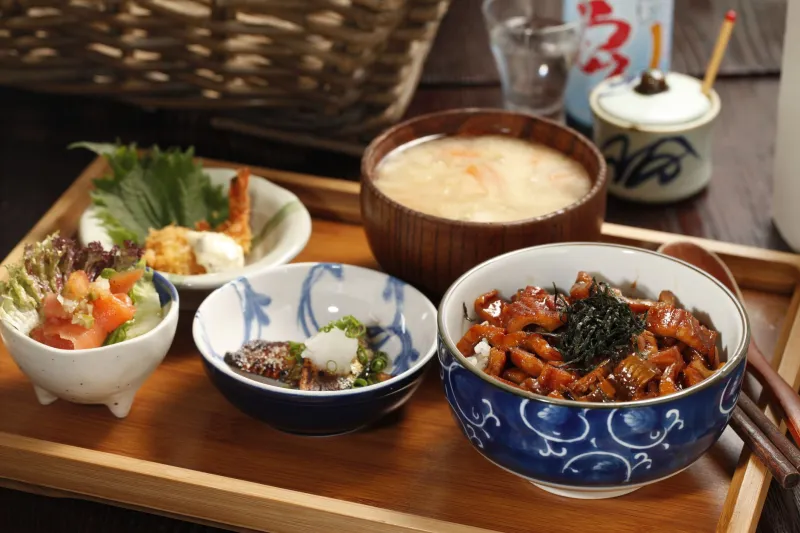
There's also a design philosophy at work that should feel familiar to anyone who's read our pieces on teishoku set meals: consistency. A vending machine is the ultimate expression of standardized, repeatable comfort — the same hot coffee, the same bowl, every time. In a food culture that prizes shokunin-level precision, the machine isn't the enemy of craft. It's craft with a coin slot.
The American Playbook Is Changing
Here's the fun part: the United States is starting to borrow, and not in the clunky way you'd expect.
Walk through a modern food hall in Austin, Los Angeles, or New York and you'll increasingly find automated ramen kiosks — machines that assemble a legitimately respectable tonkotsu bowl in under two minutes, no line cook required. Airport terminals are installing sushi and noodle robots. Some upscale apartment buildings now treat a ramen dispenser the way they once treated a fitness center: as an amenity worth advertising.
Even the humble highway gas station is evolving. The same pit stops quietly stocking onigiri and steamed buns — a trend we covered a while back — are experimenting with heated automated cases and self-serve hot meal lockers. The playbook is recognizably Japanese: keep it fresh, keep it fast, keep it weirdly good.
What's driving it here? The same forces that drove it there. Labor shortages in food service. Sky-high rents that punish any business needing a full kitchen and dining room. And a consumer base that got very comfortable, post-2020, with food arriving without a human in the middle of the transaction.
What the Machine Knows About Us
It's tempting to read vending machine cuisine as cold or dystopian — dinner from a robot, how bleak. But spend time with Japan's machine culture and a warmer picture emerges.
These machines are care infrastructure. They're why a nurse coming off a night shift can get hot corn soup at 4 a.m. They're why a missed last train doesn't mean going hungry. In disaster-prone Japan, vending machines are part of emergency planning, programmed to dispense free drinks when earthquakes knock out the grid. The machine isn't replacing the restaurant. It's catching the people the restaurant's hours leave behind.
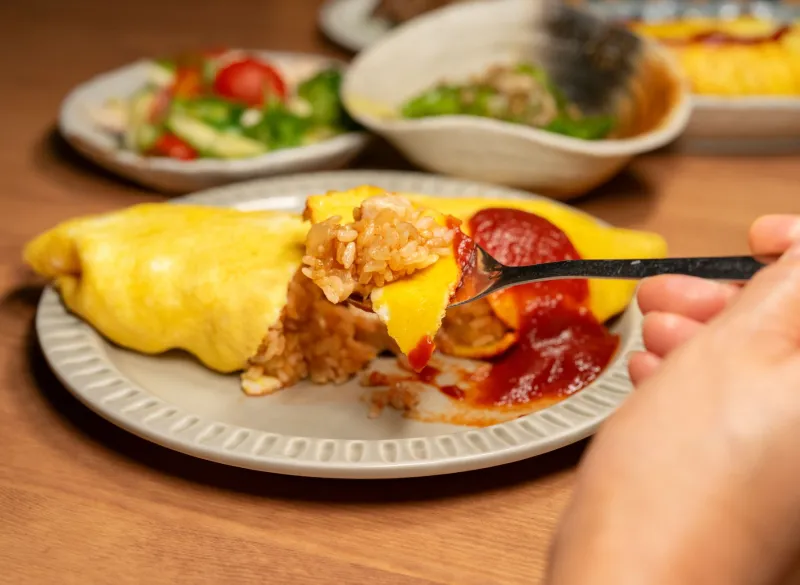
That's the real lesson for American food culture, and honestly, it's the same one hiding in omurice, karaage, and every other Japanese comfort food we've championed on this site: convenience and care aren't opposites. A hot can of coffee on a cold platform is a small act of somebody having thought about you in advance.
So the next time you pass one of those new automated ramen kiosks at the food hall and feel vaguely suspicious — don't. Feed it your card, take your bowl, find a spot by the window. Somewhere in Tokyo, a salaryman is doing exactly the same thing, and neither of you is having a lesser meal for it.
Dinner at the machine counts. It always did.