Less Sugar, More Soul: The Japanese Desserts That End the Sweetness Arms Race
There's a moment that happens at dessert carts across America every single night. Someone orders the chocolate lava cake, takes two blissful bites, and then quietly pushes the plate away, defeated. Not because it wasn't good — because it was too much. Six hundred calories of sugar-forward intensity, and the pleasure window slammed shut before the third forkful.
Japanese desserts rarely have this problem. And that's not an accident.
The Philosophy of 'Enough'
In washoku — the traditional Japanese approach to a meal — dessert isn't a finale that screams for attention. It's a quiet exhale. Sweets are built around restraint: enough sugar to register as a treat, never so much that it bulldozes everything else on your palate.
Cooks in Japan often use only a fraction of the sugar an American recipe calls for, leaning instead on texture, aroma, and the natural sweetness of ingredients like sweet potato, chestnut, and red bean. The result is dessert you can actually finish — and want to eat again tomorrow.
Think of it this way: American dessert culture is a rock concert. Japanese sweets are a good conversation. Both can be great. Only one leaves you feeling wrecked afterward.
The Classics Worth Knowing
Purin. This is Japanese crème caramel, and it might be the single best gateway dessert on the planet. Silky, gently eggy custard sitting on a pool of dark caramel that tastes more like burnt sugar than candy. Every convenience store in Japan sells a version — Glico's pudding cups have a cult following for a reason — but homemade purin is a revelation. It's what flan aspires to be when it grows up.
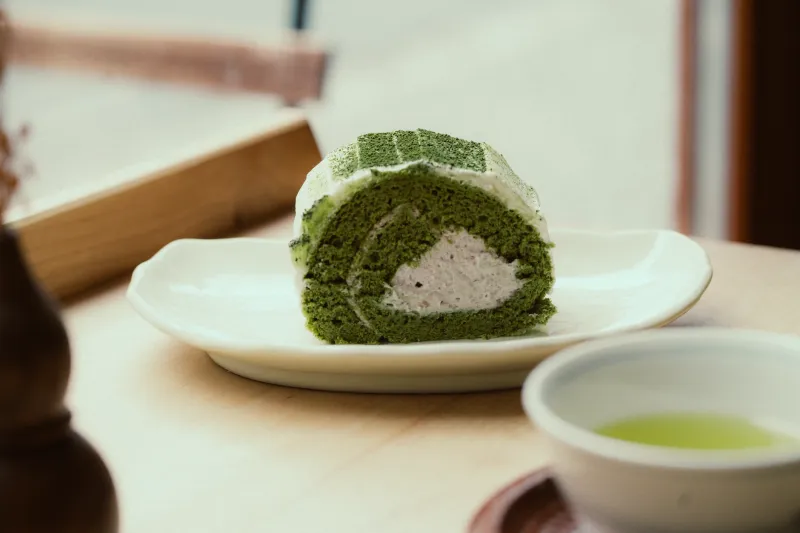
Matcha roll cake. A soft sponge wrapped around lightly sweetened matcha whipped cream. The bitterness of good green tea powder keeps the cream from feeling heavy, and the whole thing looks elegant with basically zero decorating skills required. Bakeries from Los Angeles to New York have caught on, but it's shockingly achievable at home.
Mizu shingen mochi. The internet's favorite "raindrop cake" — a wobbling dome of water and agar that looks like nothing and delights everyone. Served with kuromitsu (dark sugar syrup) and roasted soybean flour, it's dessert as performance art. Is it substantial? No. Is it fun? Enormously.
Konbini classics. Never underestimate the Japanese convenience store dessert aisle: melonpan with its crackled cookie shell, the impossibly fluffy soufflé cheesecakes, strawberry sandwiches hiding between slices of crustless shokupan. These are the snacks that inspired an entire generation of food tourists to book flights.
Stocking a Japanese Dessert Pantry
Here's the good news: you need fewer things than you'd think, and most are one online order or one trip to an Asian grocery away.
- Matcha powder — buy culinary grade for baking, ceremonial grade if you want to drink it too. Look for bright green; dull olive color means old tea.
- Koshian or tsubuan (sweetened red bean paste) — the workhorse filling of Japanese sweets. Smooth or chunky, both are great, and it's delicious swiped on toast in a pinch.
- Mochiko — glutinous rice flour, widely available in American supermarkets thanks to its Hawaiian fanbase. This is your gateway to homemade mochi.
- Kuromitsu — a dark, molasses-adjacent sugar syrup. Honey works in a pinch, but the real thing has more depth.
- Kinako — roasted soybean flour, nutty and toasty, dusted over anything mochi-related.
- Agar powder — the vegetarian gelling agent that makes raindrop cakes and yokan possible.
Stores like H Mart, Mitsuwa, and Uwajimaya carry all of this, and every item on the list is a two-day ship away if you're not near one.
Why Now?
America's palate has been trending this direction for a decade. We got comfortable with less-sweet chocolate when single-origin bars took over. We learned to appreciate bitterness via craft coffee and IPAs. Matcha lattes are on every café menu from Seattle to Miami.
Japanese desserts are simply the next step — sweetness with a brake pedal, texture treated as seriously as flavor, and portions that respect the fact that you just ate dinner. At Freeman's Shokudo, we think that's not a limitation. It's the whole point.
So the next time you're eyeing a dessert menu and bracing for the sugar crash, consider the other path. Make the purin. Dust it with a little kinako. Take your time with it.
Dessert should walk in last. It just doesn't have to shout.