Slurp Responsibly: The Case for Soba, America's Most Underrated Noodle
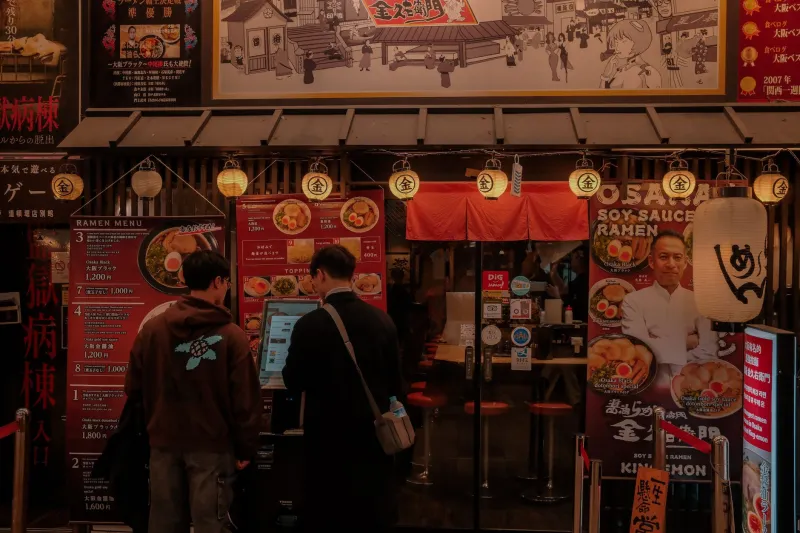
Walk into any American city right now and you can find ramen within a ten-minute drive. Tonkotsu, shoyu, spicy miso — the broth revolution is complete. But somewhere between the pork belly buns and the soft-boiled egg fandom, another Japanese noodle slipped past us almost entirely.
That noodle is soba, and honestly? It might be the more interesting one.
What Soba Actually Is (and Why It's Tricky)
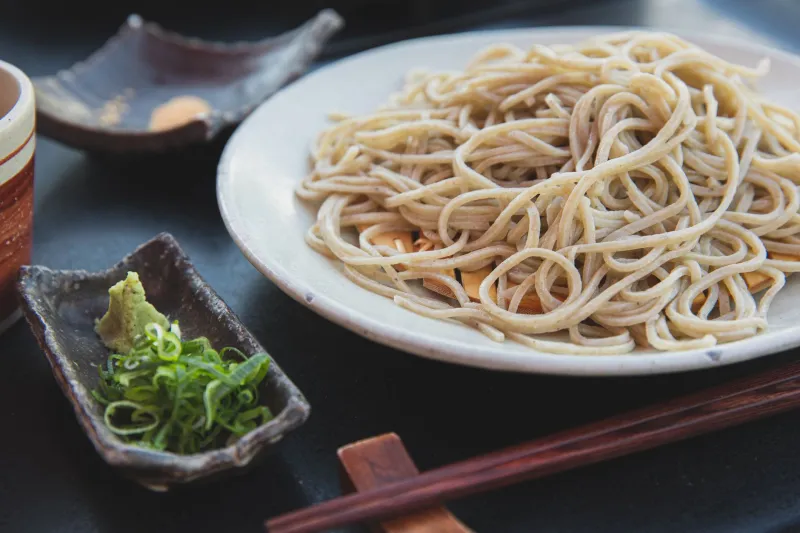
Soba means buckwheat noodles — thin, nutty, and usually grayish-brown, served either swimming in hot broth or chilled over ice with a concentrated dipping sauce called tsuyu. The best versions are made from buckwheat that's milled fresh, sometimes the same morning they're cooked. In Tokyo, soba shops are treated like temples. Chefs train for years just to master the kneading and cutting. There are entire guidebooks ranking establishments by nothing but their noodle texture.
The reason it's an art form: buckwheat has no gluten to speak of. Ramen noodles get their satisfying chew from wheat and alkaline salts. Soba gets nothing. It's pure technique, held together by skill and, traditionally, a small percentage of wheat flour — the purists drink 100% buckwheat (juwari soba) and accept that a few noodles will surrender to the pot. It's a fragile, finicky noodle, and that's exactly why people obsess over it.
The North Dakota Plot Twist
Here's the part nobody expects: some of the world's best buckwheat isn't Japanese at all. It's American. North Dakota and Minnesota grow a huge share of the buckwheat that ends up in Japanese kitchens, and the crop thrives in those short, cool growing seasons. Japanese noodle makers have been importing American buckwheat for decades because the quality is that good.
Meanwhile, a small but growing crew of domestic producers and mills are keeping more of it here — selling whole groats, stone-milled flour, and even fresh soba to American restaurants and home cooks. The pipeline from a Red River Valley farm field to a chilled noodle plate in Brooklyn or Portland is shorter than you'd guess. If ramen needed California to go mainstream, soba might have its supply chain advantage already built in.
Buckwheat, the Underdog Superfood
Buckwheat isn't actually a grain — it's a seed, and botanically it's closer to rhubarb than to wheat. That means it's naturally gluten-free (when made without wheat flour blended in), and it comes loaded with rutin, an antioxidant that's been studied for everything from circulation to blood pressure. It also has a lower glycemic profile than most refined noodles.
In Japan, this isn't marketed as wellness. It's just lunch. But for American eaters who want their comfort food to occasionally do some nutritional heavy lifting, soba is a rare two-for-one: deeply satisfying, quietly good for you.
How to Eat Soba Without Embarrassing Yourself
The cold version — zaru soba, served on a bamboo draining tray — comes with a ritual, and it's a fun one:
- Dip, don't drown. Take a few strands, dip them halfway into the tsuyu, and slurp. The sauce is concentrated; you're seasoning the noodles, not soaking them.
- Slurping is encouraged. It aerates the noodles, cools them, and signals enthusiasm. Nobody in Japan thinks you're rude.
- Finish with the broth. When the noodles are gone, the server brings a small pot of the starchy noodle cooking water. Pour it into your remaining tsuyu and drink it like tea. This is the best part, and skipping it is a crime.
For hot soba, keep it simpler: eat promptly, drink the broth straight, and don't overthink it.
Bring It Home
You don't need a Tokyo apprenticeship to make soba part of your week. Good dried soba is in nearly every supermarket now — check the ingredient list and pick one where buckwheat leads. Cook it a minute less than the package says, rinse it well under cold water, and serve it chilled with store-bought mentsuyu (diluted per the bottle), sliced scallions, and a mound of wasabi. Add a fried egg or leftover shredded chicken and you've got a dinner that takes fifteen minutes and tastes like a restaurant you'd brag about finding.
Ramen earned its moment. But the noodle that rewards technique, celebrates one humble American-grown crop, and comes with its own built-in finisher course? That's the one worth making room for.