Trust the Ice: How Japanese Frozen Food Became the Smartest Shortcut in Your Supermarket
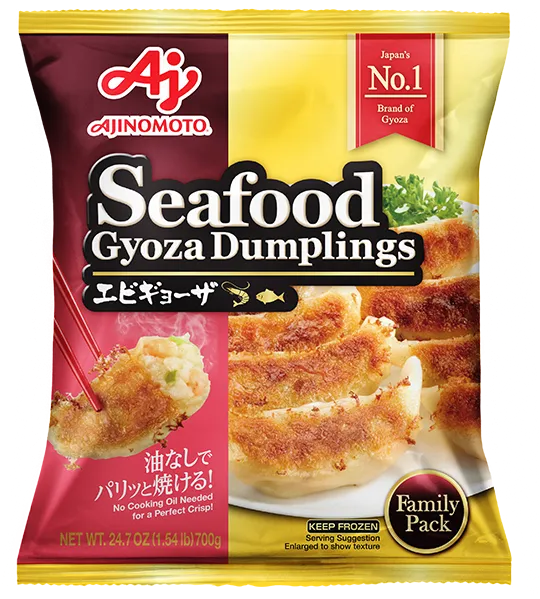
Photo: frozen gyoza dumplings pan frying Japanese grocery store, via www.eataji.com
There's a moment of cognitive dissonance that happens when you bite into a frozen gyoza that's better than the one you paid eighteen dollars for at a restaurant. The wrapper is delicate. The filling is juicy. The bottom crisps up in a pan in six minutes flat. And it came from a box that cost less than a fancy coffee.
If you've only been browsing the burritos and bagged broccoli in your supermarket freezer, you've been shopping the wrong hemisphere. Japanese frozen food — now showing up at Trader Joe's, Costco, H Mart, and virtually every Asian grocery in America — has quietly become the most reliable weeknight strategy hiding in plain sight.
The Freezer Aisle Has a Reputation Problem
Let's be honest about where most of us stand on frozen food. It's the aisle we sprint through, eyes averted, grabbing tater tots and hoping nobody from the gym sees us. In America, frozen has long meant compromise: mushy vegetables, sad microwave trays, that one freezer-burned bag of peas in the back.
Japan never bought into that stigma. Walk into any konbini in Tokyo and the freezer case is a point of pride — ramen bowls with broth that survives the freeze, rice that steams back to life, gyoza that taste handmade because, well, they basically were before being flash-frozen within hours of production.
The difference isn't magic. It's engineering.
Flash-Freezing: The Technology Nobody Talks About at Dinner Parties
Here's the secret: it's all about speed. Japanese food producers use blast freezers that drop food to extremely low temperatures fast enough that the water inside forms tiny ice crystals instead of big, cell-puncturing shards. Those big crystals are what turn your frozen spinach into a puddle when thawed. Small crystals leave the cell walls intact, which means the food keeps its texture.
This is why a frozen gyoza from a good Japanese brand goes straight from freezer to hot pan with no thawing — and comes out with a crackly bottom and a tender, steamed top. The dumpling never knew it was frozen.
The same logic applies to karaage. The marinade — ginger, soy, garlic — has time to fully penetrate the chicken before freezing, so the flavor is actually deeper than many quick home versions. Fry from frozen at 350°F for about six to seven minutes and you get shattering crust, juicy interior, zero splatter cleanup, and no raw-chicken anxiety.
And then there's onigiri. Yes, frozen rice sounds like heresy to anyone who's eaten day-old sushi rice. But Japanese producers have mastered the freeze-thaw cycle so thoroughly that a microwaved frozen onigiri comes out plump and fluffy, not chalky. Toss one in your lunch bag frozen and it's defrosted and perfect by noon. It's the meal-prep hack that feels like cheating because it is.
The Taste Test: What's Actually Worth Your Freezer Space
We did the unglamorous work of eating through the frozen section so you don't have to. A few standouts:
Gyoza. Trader Joe's chicken and pork gyoza remain the people's champion — cheap, consistent, and nearly indistinguishable from restaurant versions when pan-seared. At Asian markets, look for brands like Ajinomoto's gyoza lines; the wrappers have a satisfying chew that generic dumplings lack.
Karaage. H Mart and most Asian groceries carry frozen karaage that outperforms anything in the supermarket chicken aisle. Pro move: air fryer, 400°F, about eight minutes, shake the basket once.
Onigiri and rice balls. Frozen salmon, umeboshi, and tuna mayo versions are increasingly common in US Japanese markets. The umeboshi one — salty, sour, weirdly refreshing — is the sleeper pick.
Shumai and steamed buns. Both reheat beautifully in a bamboo steamer or a microwave with a damp paper towel, and both turn a bag of frozen edamame into a legitimately impressive appetizer spread.
Reframing the Frozen Aisle as Strategy, Not Surrender
Here's the argument we're willing to die on: keeping a stash of Japanese frozen staples is not lazy cooking. It's the same logic as keeping good canned tomatoes or a block of good butter in the freezer. It's a pantry decision.
A frozen gyoza plus a handful of cabbage slaw plus a splash of soy and rice vinegar is dinner in under ten minutes. Frozen karaage over leftover rice with a fried egg is a donburi that would cost you sixteen dollars at a lunch counter. None of this requires a recipe. None of it requires shopping on the way home, exhausted, at 6:45 PM.
There's also a waste argument. Fresh proteins spoil; frozen ones wait patiently. For anyone trying to eat more home-cooked meals without becoming a Sunday meal-prep influencer, the freezer is the low-effort middle path.
How to Shop the Case Like a Local
A few ground rules for the newly converted:
- Don't thaw before cooking. Most Japanese frozen items are engineered to go straight from freezer to heat. Thawing is how you ruin them.
- Buy from stores with high turnover. Freezer burn is a time problem, not a flavor problem. Busy Asian markets rotate stock fast.
- Skip the microwave instructions on gyoza. Pan-fry with a splash of water and a lid — steam-fry method, six minutes, done.
- Read the ingredient list. The best Japanese brands read like a shopping list, not a chemistry set.
The freezer door of the future isn't a consolation prize. It's a well-stocked toolbox — and the Japanese food industry spent decades building it while the rest of us were side-eyeing frozen peas. Consider this your permission slip to shop the cold aisle with your head held high.