The 3 PM Switch: Why Americans Are Trading Their Espresso Shot for a Cup of Hojicha
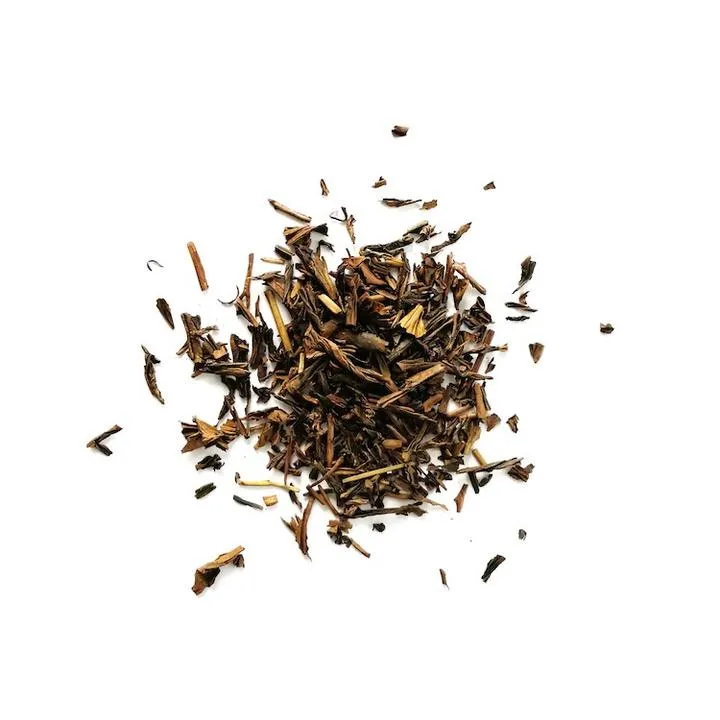
Photo: Francois Mathieu, CC BY-SA 4.0, via Wikimedia Commons
There's a moment — usually around 2:47 PM — when the coffee stops working. You've had your morning cup, maybe a second one, and now your body is presenting an invoice. You're jittery, a little hollow, and the idea of another espresso feels like borrowing money you can't pay back at bedtime.
Japanese tea culture has an answer for this, and it's been quietly taking over American café menus and grocery shelves for the past few years. Not matcha — that fight already happened. We're talking about the everyday teas of Japan: sencha, genmaicha, and hojicha. Steeped, sipped, and increasingly stocked at your local co-op.
Meet the Lineup
Sencha is the workhorse. Steamed green leaves, grassy and bright, with a whisper of bitterness that keeps things honest. If green tea had a default setting, this would be it.
Genmaicha is sencha's fun cousin. It's blended with roasted brown rice, which gives it a toasty, popcorn-adjacent warmth. Legend says it started as a way for frugal households to stretch expensive leaves — which, honestly, is the most relatable origin story in tea.
Hojicha is the sleeper hit. Green tea leaves roasted over charcoal until they turn reddish-brown and mellow out completely. The roasting kills off most of the caffeine and strips away the bitterness, leaving something smooth, nutty, and almost caramel-like. It tastes like comfort in a cup.
Brewing Without the Anxiety
The number one reason people bounce off loose-leaf green tea: they boil it like Lipton and wonder why it tastes like a lawn clipping. Green tea is delicate. Two rules and you're basically a pro:
- Water temperature matters. Aim for 160–175°F for sencha and genmaicha, closer to 190°F for hojicha. No thermometer? Let boiled water sit for a couple of minutes, or pour it into an empty cup first to cool it down.
- Short steeps. One minute for sencha, up to two for genmaicha, and hojicha is forgiving at two to three. And here's the good news — good loose leaves can be re-steeped two or three times, each round pulling out a slightly different character.
That's it. A simple infuser basket and a bag of decent tea from any Asian grocery gets you 90 percent of the way there.
What to Pair With What
This being a food site, we're not letting you drink tea naked. Pairings are where these teas earn their keep:
- Sencha loves anything with a little richness — a buttery shortbread, a slice of lemon loaf, or honestly, a rice cracker straight from the bag.
- Genmaicha was born for toast-adjacent foods. Think peanut butter cookies, granola bars, or a slice of banana bread. The roasted rice notes play beautifully with anything nutty.
- Hojicha is a dessert tea wearing a casual outfit. Chocolate, mochi, cinnamon rolls, even a scoop of vanilla ice cream (or do what Japanese cafés do and pour cooled hojicha over the scoop directly — hojicha affogato is a revelation).
The Case for the Afternoon Switch
Here's the practical pitch. A cup of drip coffee runs roughly 95 milligrams of caffeine. Sencha lands around 30 to 40. Genmaicha dips lower. And hojicha? Often just 7 to 15 milligrams per cup — a rounding error compared to your latte.
That means hojicha delivers the ritual — the warm mug, the two-minute pause, the excuse to step away from your screen — without the 3 AM regret. It's the rare afternoon drink that lets you have a normal bedtime. For the coffee-dependent among us, that's not a small thing. That's a whole lifestyle patch.
There's a reason Japanese cafés in Los Angeles, Seattle, and Chicago have started putting hojicha lattes on the menu next to their matcha. It's the flavor of roasted, toasted coziness with none of the crash. Some spots even serve it cold-brewed, which — fair warning — will ruin other iced teas for you.
Start Here
If you're tea-curious but overwhelmed, do this: buy hojicha first. It's the most forgiving to brew, the lowest in caffeine, and the most universally likable. Grab genmaicha second for your morning-adjacent hours, and work up to sencha when you're ready for something with a little more edge.
Your 3 PM self — and your midnight self — will thank you.