Sick-Day Suppers: What Japan's Hospital Food Gets Right That a Cup of Jell-O Never Will
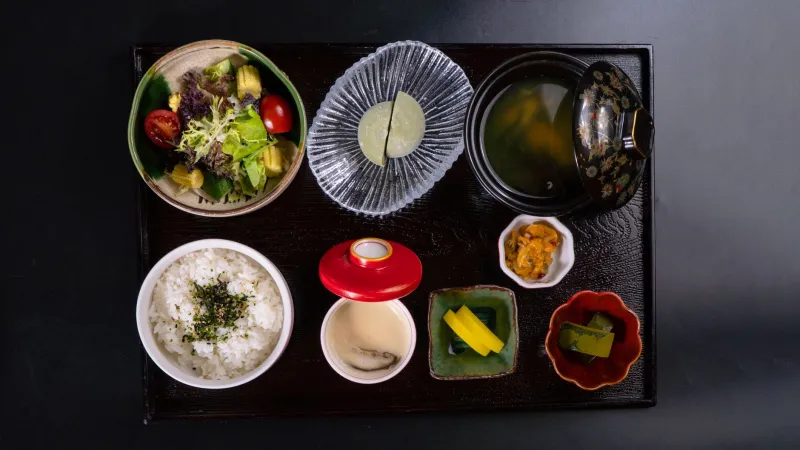
Ask an American what they ate in the hospital and you'll get a shrug and a horror story: gray roast beef, a foil-sealed juice cup, maybe a lime Jell-O if they were lucky. Ask a Japanese patient the same question and you might get a wistful description of grilled fish, simmered vegetables, and a small bowl of miso soup, all served on a lacquered tray with real chopsticks.
That's not a fluke. It's a system, and it has a name: ryōyōshoku (療養食), literally "therapeutic meals." And honestly? It might be the most underrated comfort food tradition on earth.
What Ryōyōshoku Actually Looks Like
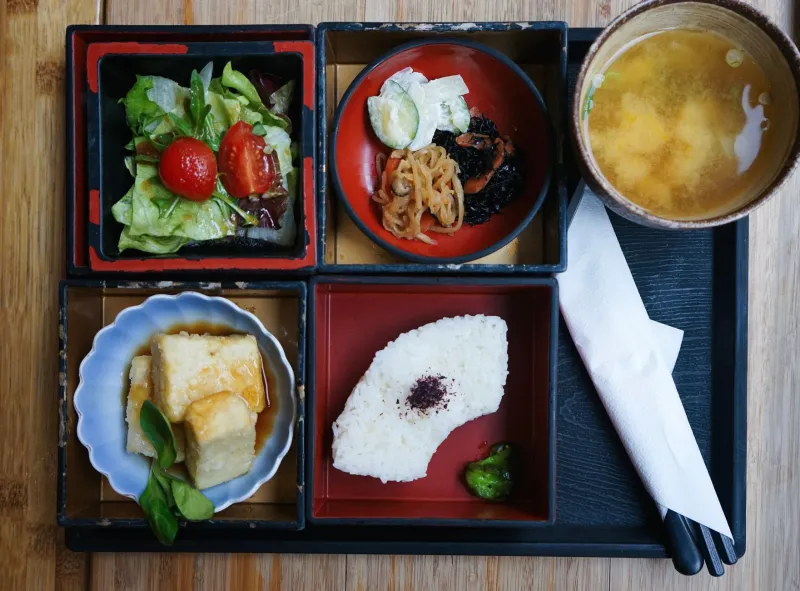
Picture a classic teishoku — the standard Japanese set meal — dialed down for someone whose body is running on low battery. Steamed or softly cooked rice. A delicate protein, often poached fish or a silky egg custard called chawanmushi. Simmered vegetables seasoned lightly with dashi instead of drowning in salt or butter. Miso soup, mild. Maybe a bit of pickled daikon to wake up a muted palate.
The guiding principle is yasashii — gentle. Everything is easy to chew, easy to digest, and arranged so the plate still looks like a meal, not a punishment. Hospitals in Japan employ teams of registered dietitians who build each tray around the patient's condition: post-surgery, diabetic, kidney issues, dysphagia. Softness gets engineered deliberately. There's even a national standard for texture-modified food, so a hospital in Sapporo and one in Fukuoka mean the same thing when they say "soft diet."
Patients routinely post photos of their hospital trays to social media looking genuinely appetizing. When's the last time an American Jell-O cup inspired a photo?
Why American Hospital Food Fell Off a Cliff
To be fair, US hospitals aren't staffed by sadists. They're staffed by cost accountants, and institutional food service in America is a race to the bottom: outsourced contracts, steam-table logistics, and a legal environment that prizes safety over flavor. Salt is restricted, texture is an afterthought, and the whole operation is designed around a tray that can sit under a heat lamp for forty minutes without becoming a biohazard.
The deeper issue is philosophical. American food culture treats "sick food" as the absence of food — bland, beige, optional. Japan treats it as food with a job. The meal is part of the treatment plan. Nobody in a Kyoto hospital is describing broth as "clear liquids only" with a straight face while handing over a cup of gelatin and calling it dinner.
There's a growing appetite (pun intended) to change this. Some American hospital systems have started hiring trained chefs, and farm-to-hospital programs are popping up in places like California and New York. But it's slow going, and it doesn't help you tonight when your kid has the flu or your partner just got their wisdom teeth out.
Bring the Ryōyōshoku Playbook Home
Here's the good news: the principles translate beautifully to a home kitchen, and most of them cost almost nothing.
Lead with dashi. A gentle kombu-and-bonito broth is the backbone of Japanese comfort cooking, and it delivers savory depth without fat, spice, or heaviness. Sip it on its own or use it to simmer vegetables until they're spoon-soft. If you're truly depleted, a cup of warm dashi with a little miso stirred in at the end is the Japanese answer to chicken noodle soup — and it might be a better answer.
Think soft, not mushy. Chawanmushi — a savory steamed egg custard — is the MVP of sick-day cooking. It's protein, it's hydration, it slides down without effort, and it tastes like a hug. Soft rice porridge (okayu, Japan's congee cousin) is another one-wonder ingredient: rice, plenty of water, low heat, done. Top it with a soft-cooked egg or flaked salmon and you've got a complete recovery meal.
Keep the plate complete. Even when someone can only eat three bites, ryōyōshoku aims for balance: a grain, a protein, a vegetable, something pickled. Small portions of many things beat a big bowl of one thing — it keeps appetite engaged and nutrition rounded when eating feels like a chore.
Season late and lightly. Sick palates are dulled, so the instinct is to crank salt or sugar. Instead, lean on umami: dashi, a few drops of soy sauce, miso. Savoriness does the work that fat and heat normally would.
The "Feeling Better" Food Trend Was Already Here
Walk down any US grocery aisle and you'll see the market catching on: bone broths in shelf-stable cartons, ginger shots, congee kits, ''gut health'' everything. Americans are spending real money on restorative food — we just branded it as wellness instead of calling it what Japan has always called it: caring for someone with a meal.
So the next time someone in your house is down for the count, skip the Jell-O. Steam some eggs into a custard, simmer rice until it's pillow-soft, warm up a bowl of miso, and set it on a tray with a little care. That's not hospital food. That's ryōyōshoku — and your patient will notice the difference before they even take a bite.