Ditch the Wings: How Izakaya-Style Small Plates Will Save Your Cocktail Hour
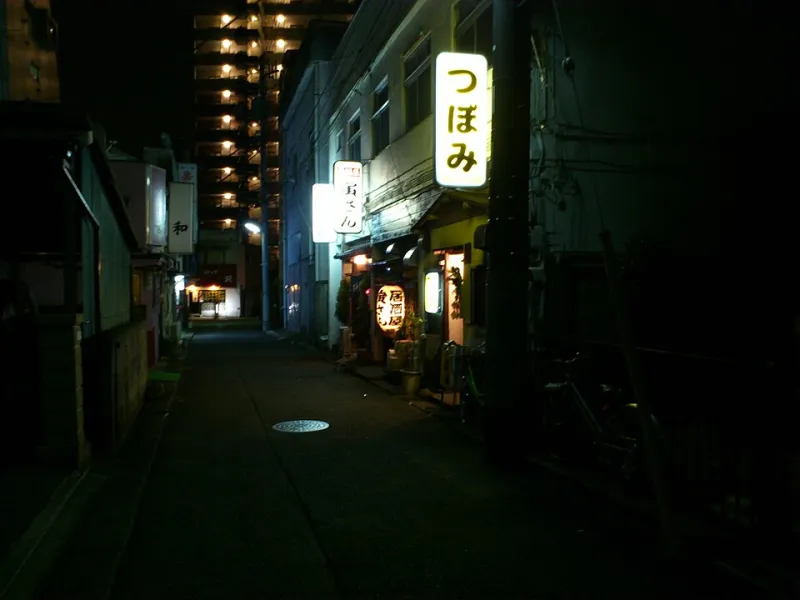
Photo: moonwalker76, CC BY 3.0, via Wikimedia Commons
Somewhere along the way, American happy hour got lazy. We decided that bar food means a basket of wings drowning in buffalo sauce, a plate of nachos built for a table of six, and maybe — if the bar is feeling fancy — some sad crudités nobody touches.
Japan looked at that equation and quietly laughed. Because in an izakaya, the drinking food isn't an afterthought. It's a co-star. The snacks are salty, punchy, textural, and — here's the kicker — designed specifically to make you want another sip. That's not an accident. That's centuries of R&D.
And the good news? You don't need a Tokyo basement bar to steal the playbook. You need a grocery store, a bottle of good soy sauce, and about thirty minutes.
Why Japanese Bar Snacks Work Better
Think about what happens when you eat standard American bar food with a drink. Heavy, greasy, one-note. The wings fight the cocktail. The nachos bulldoze the beer. You're full before your second round.
Izakaya food operates on a completely different logic. Every small plate hits one of a few key notes: salt, fat, acid, crunch, or umami. A salted edamame pod makes a crisp lager taste crisper. A skewer of charred yakitori makes a bourbon highball taste rounder. Agedashi tofu — crisp cubes swimming in savory dashi broth — practically begs for a dry gin cocktail.
It's not about being full. It's about keeping the conversation and the drinks going. Japanese bartenders call this kind of food otsumami — literally "things that accompany drinking." The word itself tells you everything: these snacks exist in service of the glass.
The Starter Pack: Five Snacks Anyone Can Make
Here's the part where I tell you that you don't need to source anything weird. Every item below is available at basically any Kroger, Safeway, or Wegmans in America.
1. Edamame, Two Ways The gateway drug of Japanese bar snacks. Frozen edamame in the pod, boiled five minutes, drained, then hit hard with flaky salt. Level it up the izakaya way: toss with a little yuzu juice (or lemon, honestly, no one will know) and a pinch of citrusy salt like togarashi-spiced or just regular kosher with lemon zest grated over. Pair with: pilsner, Mexican lager, or a vodka soda with lime.
2. Japanese Potato Salad This is the sleeper hit. Japanese potato salad is nothing like the mayo-heavy picnic brick you grew up with. It's mashed (not chunked), slightly sweet, often studded with cucumber and ham, and impossibly creamy. Serve it in a small bowl with a spoon and watch it disappear. Pair with: anything hoppy — an IPA cuts right through the richness.
3. Yakitori-Style Chicken Skewers Chicken thighs (dark meat, please), cut into strips, threaded onto skewers, and grilled or broiled until the edges char. Brush with tare — a glaze of soy sauce, mirin, sake, and a little sugar reduced until syrupy. No mirin at the store? Use a splash of rice vinegar plus extra sugar. Pair with: whiskey highballs, which is the canonical izakaya move, or a smoky mezcal Negroni if you're feeling fancy.
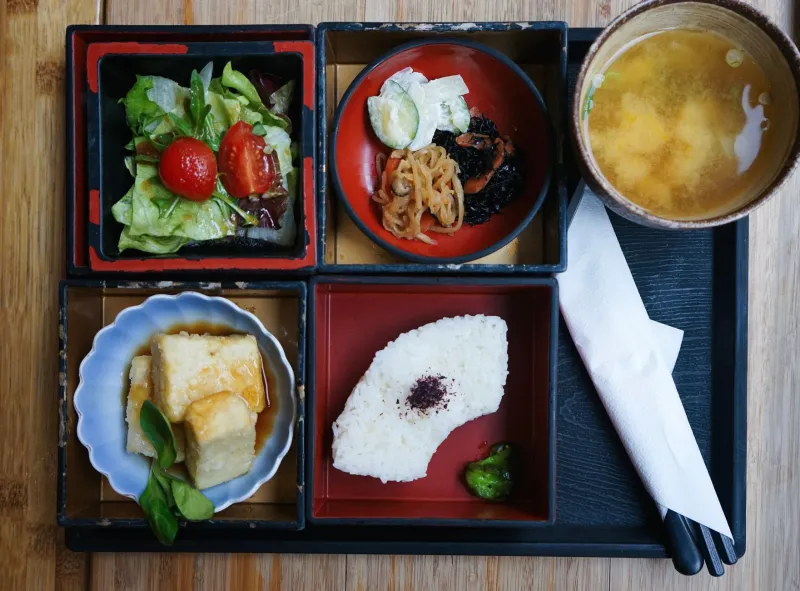
4. Agedashi Tofu The showpiece. Firm tofu, cut into cubes, patted very dry, dusted with cornstarch, and pan-fried until shattering-crisp. Pour over a warm sauce of dashi (instant dashi granules work fine), soy sauce, and mirin. Top with grated daikon, scallions, and — if you can find them — bonito flakes that dance on the plate. Pair with: clean, dry drinks. A gin and tonic or a crisp junmai sake won't step on the delicate dashi.
5. Cucumber Sunomono One thing every great bar spread needs is something cold, sour, and refreshing to reset your palate. Thin-sliced cucumbers with rice vinegar, a pinch of sugar, sesame seeds, ten minutes in the fridge. Done. Pair with: literally anything, but especially a salty Manhattan or a margarita.
Build the Spread, Not the Feast
Here's the mistake people make: they treat this like a dinner party and cook everything at once. Don't. Izakaya culture is about pacing — snacks arrive gradually as the drinks flow.
Set out the edamame and cucumber first, cold and ready. Fry the tofu right before guests arrive. Grill the skewers in a second wave, maybe an hour in, when people have settled in. The potato salad can sit in the fridge and come out whenever.
Portion matters too. Serve everything in small dishes — the little soy sauce bowls and 4-inch plates you can grab cheaply anywhere. A small plate of something excellent reads as intentional. A giant platter of the same thing reads as a tailgate.
The Drink Pairing Cheat Sheet
If you take one thing from this article, take this: match intensity to intensity.
- Delicate snacks (agedashi tofu, sunomono) → clean, low-intervention drinks: sake, gin, dry white wine
- Rich, salty snacks (yakitori, potato salad) → highball-style drinks, lagers, IPAs, anything with bubbles and bite
- Anything with togarashi or chili → something slightly sweet: an old fashioned, a dark rum cocktail
That's the whole system. Salt wants bubbles. Fat wants acid and carbonation. Heat wants a little sugar. You now know more than most bars in America.
Your Happy Hour, Upgraded
There's a reason izakayas in the US — from New York to Portland to Austin — have become some of the hardest reservations in town. The drinks are great, sure. But the food is the secret. It's food built for lingering, for second rounds, for the kind of night that stretches long because nobody wants to leave the table.
The wings had a good run. But the bar has been raised — and it's holding a skewer.