Order Like You've Been There Before: A Field Guide to Reading a Japanese Menu Without Panicking
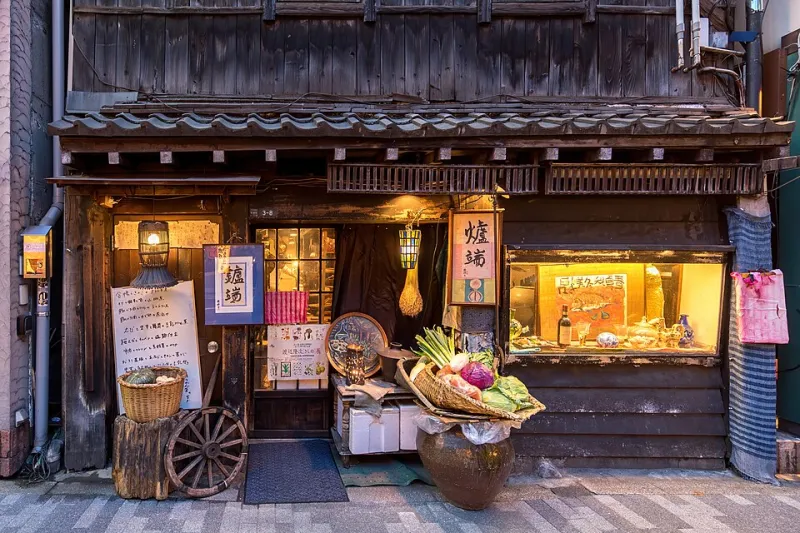
Photo: Basile Morin, CC BY-SA 4.0, via Wikimedia Commons
Every American town has that one Japanese restaurant. The kind with a sushi bar in the back, a laminated menu roughly the length of a novella, and a lunch special that's been $12.95 since 2011. You go, you order the teriyaki combo, you leave happy but a little curious about the other 87 items you've never once considered.
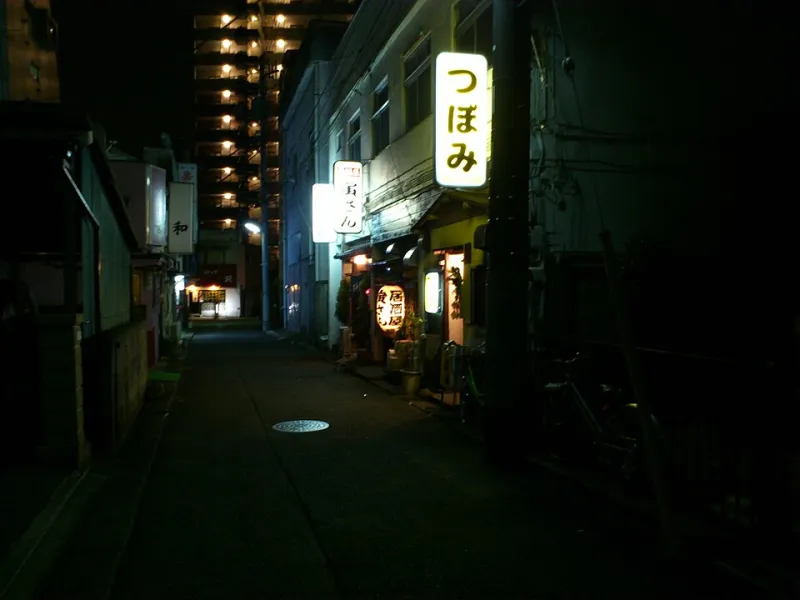
Here's the thing: Japanese menus are secretly one of the easiest cuisines to navigate once you know the code. The language itself hands you clues. Learn a handful of suffixes and a couple of cooking terms, and you can walk into any izakaya in Chicago or a family restaurant in Fresno and order with the quiet confidence of someone who's been doing this for years.
Start With the Structure, Not the Dishes
Most Japanese menus in the US follow a loose logic, even when they don't advertise it. Look for these zones:
- Appetizers and small plates — edamame, agedashi tofu, sunomono. Light, often cold or quickly fried.
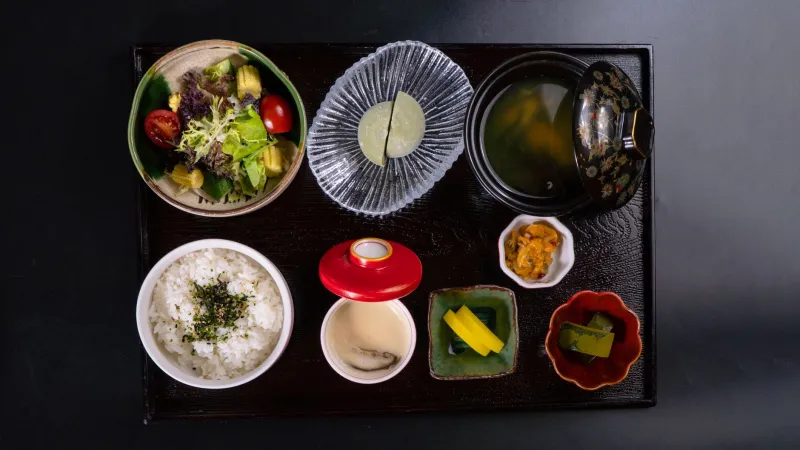
- Soups and steamed things — miso, chawanmushi, sometimes nabe in winter.
- Rice and noodle bowls — donburi, curry, udon, soba. The workhorses.
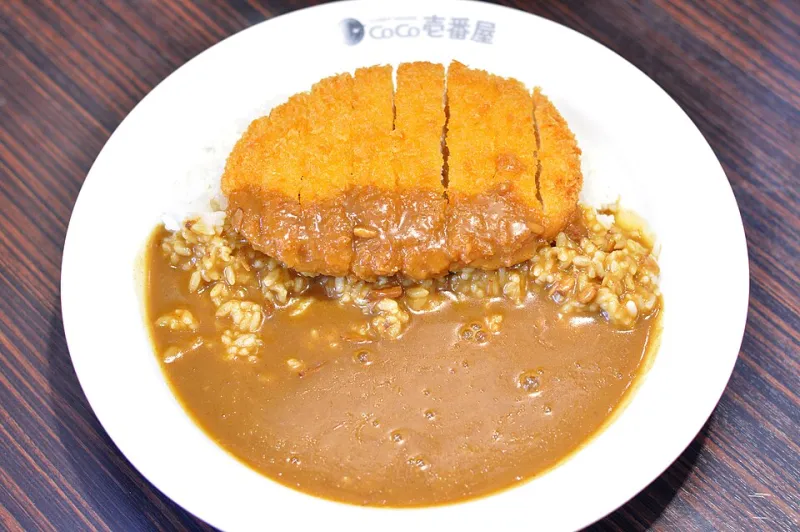
- Grilled and fried mains — teriyaki, katsu, shioyaki fish.
- Sushi and sashimi — usually its own section, often with its own pricing logic.
If you're overwhelmed, pick one dish from two different zones. That's basically how Japanese diners build a meal anyway — a little something fried, a little something simmered, rice on the side.
The Suffix Decoder Ring
This is where the magic happens. Japanese dish names are weirdly literal, and the endings tell you exactly what you're getting:
- -age means fried. Agedashi tofu is fried tofu in hot dashi broth — silky inside, crisp outside, and arguably the best $7 appetizer in existence. If you've never ordered it because the name scared you, this is your redemption arc.
- -yaki means grilled or cooked over direct heat. Yakitori (grilled chicken skewers), okonomiyaki (savory pancake), teppanyaki (iron-griddle cooking).
- -don or donburi means it's served over rice. Oyakodon (chicken and egg over rice), katsudon (fried pork cutlet over rice), gyudon (beef). If you're hungry and want zero ambiguity, order anything ending in -don.
- -mushi means steamed. Chawanmushi — a savory egg custard hiding shrimp, chicken, and mushrooms — is the sleeper hit of every menu it appears on. It arrives in a lidded cup, wobbles like panna cotta, and tastes like umami took a hot bath.
- -nabe means hot pot. Sukiyaki, shabu-shabu, oden in winter. These are shareable, interactive, and perfect for cold-weather dining.
Fried vs. Steamed: Know Your Textures
A quick cheat sheet so you're never surprised by what lands on the table:
Actually fried: tempura (light batter), katsu (breaded, panko-heavy), karaage (marinated fried chicken, no batter), agedashi tofu.
Actually steamed or simmered: chawanmushi, oden, nikujaga, nimono dishes. These are the gentle, brothy, comfort-food end of the spectrum — the stuff Japanese grandmothers make.
Grilled: yakitori, grilled fish (look for shioyaki, salt-grilled), robata items.
If a menu says "homemade tofu," that usually means it's the silken, delicate kind served cold or fried — not the firm stuff you stir-fry with. Adjust expectations accordingly.
The Donburi Cheat Codes
Since rice bowls are where most first-timers should start, here's your quick-reference:
- Oyakodon — chicken and egg, sweet-savory, the ultimate comfort bowl. (Fun fact: the name literally means "parent and child," referring to the chicken and the egg. Order it anyway.)
- Katsudon — fried pork cutlet simmered briefly in broth with egg over rice. Crunchy, then tender. Students in Japan eat it before exams for luck.
- Gyudon — thinly sliced beef and onions in a sweet soy broth. Fast food in Japan, underrated here.
- Unadon — grilled eel with sweet tare glaze. Pricey, but if it's on the menu and you're feeling fancy, it's worth every dollar.
A Few Phrases That Change the Whole Vibe
You don't need to speak Japanese. But dropping one or two of these will make your server perk up:
- "Itadakimasu" (ee-tah-dah-kee-mahs) — a quick thank-you before eating. Optional, but charming.
- "Osusume wa?" (oh-soo-soo-meh wah) — "What do you recommend?" Instantly signals you're engaged, not just pointing at photos.
- "Oishii desu" (oy-shee des) — "It's delicious." Say it when the chawanmushi arrives. Watch the chef smile.
- "Omakase" — "Chef's choice." The power move at any sushi counter. You're telling the chef you trust them, and chefs remember customers who do.
One Last Rule
Don't sleep on the sides nobody orders: the pickles (tsukemono), the miso soup that comes standard, the tiny cup of shime — the little things that turn a meal into a full experience. Japanese dining is built on balance, and the menu is quietly offering you that balance if you read it right.
So next time you're at that place with the laminated menu, skip the combo plate. Order the agedashi tofu, a donburi you can't pronounce, and say "osusume wa?" when your server asks if you have questions.
You'll be a regular by your second visit.