Nobody Refilled Your Water, Did They? What Japanese Restaurants Know About Welcome
Photo: Cukakamu, CC BY-SA 4.0, via Wikimedia Commons
Picture the last three restaurants you ate at in America. Now answer honestly: did anyone check on you between the food drop and the check? Did anyone make you feel expected?
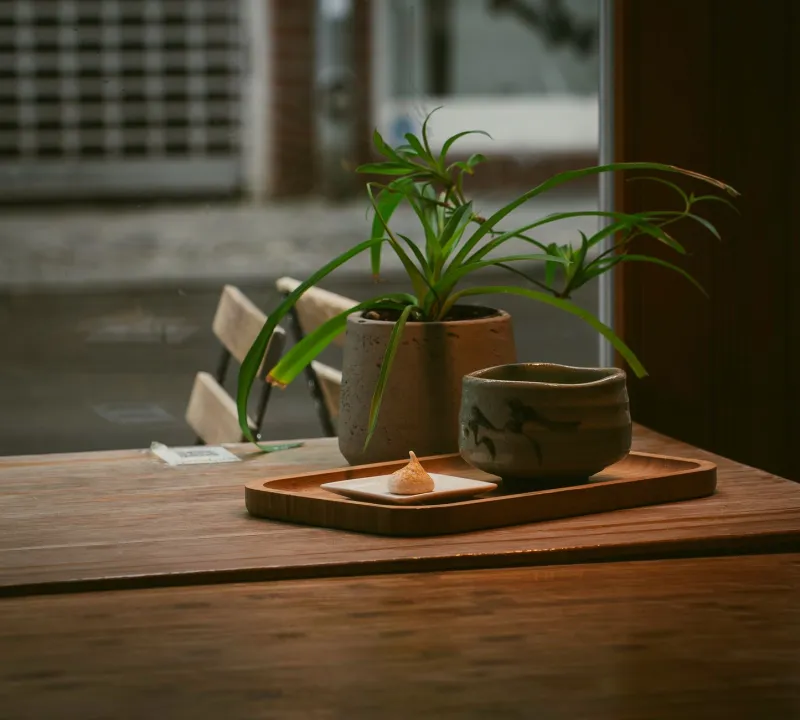
Now picture a typical meal in Japan. You slide open the door, mumble a greeting, and before your coat is off, there it is — a cup of hot tea and, in nicer spots, a steaming oshibori towel for your hands. No charge. No upsell. Nobody's trying to move you to the two-top by the bathroom. You have simply been welcomed, and the welcome happened before anything was asked of you.
That gap between those two experiences is what this piece is about.
The Tea Comes First for a Reason
In Japanese service culture, there's a word that gets thrown around a lot: omotenashi. It's often translated as "hospitality," but that translation undersells it. The idea is anticipating a guest's needs before they voice them — and doing so without expectation of tips or thanks. The tea arrives because you might be cold. The towel arrives because your hands might be tired from travel. Nobody announces any of this. It's just the floor you stand on.
Contrast that with the American casual dining script most of us know by heart: seat, menu, drink order, appetizer pitch, dessert pitch, check with a QR code. Every touchpoint is a transaction. Even the gestures that look like hospitality — the endless soda refills, the free bread — are usually engineered to keep you comfortable and keep the table turning.
And the free water thing? Let's be real. The glass arrives full, and then it vanishes. You're waving down a server for a refill like you're hailing a cab in the rain. Water is technically free, but the attention isn't coming.
Efficiency Ate Hospitality
To be fair to American restaurants, the math is brutal. Thin margins, labor costs, delivery apps taking a cut — of course service got streamlined into a series of prompts. Your server isn't cold; they're managing nine tables and a tablet system.
But somewhere in that optimization, the feeling of being a guest got sanded down. Japanese dining culture makes different trade-offs. A tiny six-seat ramen counter might not have a single decorative plant, but the tea is hot, the towel is warm, and you're never left wondering whether you've been forgotten. Hospitality there isn't a luxury add-on. It's part of the meal, priced into the bowl.
The telling detail: in Japan, this happens at every price point. The convenience store clerk warms your onigiri. The izakaya hands you a towel with your beer. The ritual isn't reserved for kaiseki.
Steal the Ritual for Your Own Table
Here's where this stops being a critique and starts being useful. You can't fix the American service industry from your couch. But you can run your own dinner parties like a Japanese host, and it costs almost nothing.
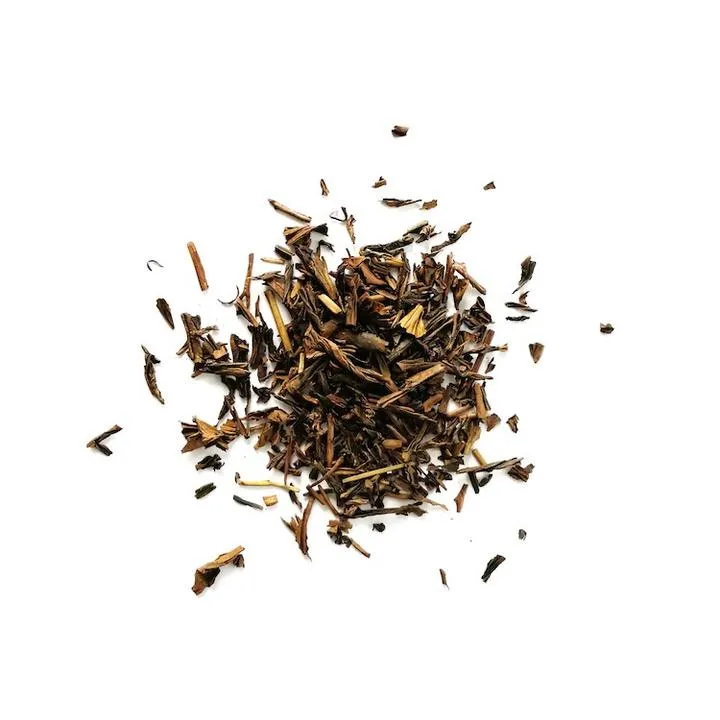
The arrival ritual. Have something warm in your guests' hands within thirty seconds of the door. A cup of hojicha in winter, iced mugicha in summer. It gives early arrivals something to do and instantly signals: you're not early, you're welcome.
The warm towel trick. Run hand towels under hot water, wring, roll, microwave for twenty seconds, hand them out. It sounds fussy. Your guests will talk about it for weeks. Cost to you: roughly zero.
Serve before you're asked. Refill the water without being flagged down. Notice the empty glass. Notice the coat that needs a hook. The whole point of omotenashi at home is that your guests never have to perform the slightly awkward act of asking for anything.
No transactional energy at the end. Nobody's getting a dessert pitch or a bill with a suggested tip line. When the night's over, it's over gracefully.
Small Gesture, Big Signal
What the tea-first ritual really communicates is this: we were ready for you, and your comfort was already on our mind before you walked in. That's a hard thing to fake and an easy thing to notice when it's missing.
So the next time you host, skip the frantic last-minute cooking chaos and put a kettle on instead. Let the first thing your friends taste be warmth, not logistics. It changes how the whole meal feels — and unlike a tip, it's a gesture everyone remembers.