Your Sunday Meal Prep Is Missing a 900-Year-Old Design Update
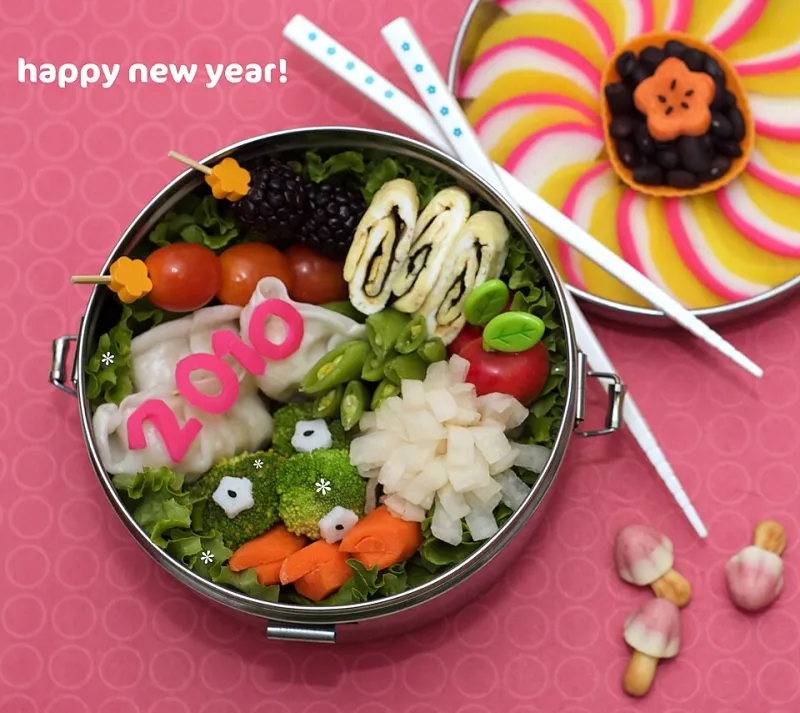
Photo: gamene, CC BY 2.0, via Wikimedia Commons
Scroll through any corner of the internet where people talk about meal prep and you'll find the same scene: a grown adult, a Sunday afternoon, and a $60 modular container system with a companion app tracking macros across seven identical-looking portions of chicken and broccoli.
We've engineered meal prep into a second job. And the punchline is that a solution has existed for roughly nine centuries, sitting quietly in lunch boxes across Japan, waiting for us to notice.
The Bento Already Solved Your Problem
Here's what's funny about the modern meal-prep industrial complex: every feature those plastic systems sell you is a feature the bento box perfected long before anyone had a word for "portion control."
The compartments? Those are portioning. The variety of colors and textures in a well-made bento? That's the antidote to Wednesday's despair-inducing third consecutive day of gray chicken. The careful packing with rice at one end and pickles wedged in between? That's food safety and texture preservation, worked out through generations of people who actually had to eat this lunch at noon.
A traditional bento isn't one dish in a big box. It's a composition — a grain, a protein, two or three vegetable sides, something pickled. Small amounts of many things instead of a mountain of one thing.
Why One Big Container Fails by Thursday
The American meal-prep model fails for a reason nobody wants to admit: boredom. You prep five identical containers on Sunday, eat two with heroic discipline, and by Wednesday you're buying a sandwich out of pure spite.
The bento logic fixes this at the structural level. Because every box contains four or five small components, no single item wears out its welcome. Monday's rice becomes Tuesday's fried rice. The same grilled chicken reads completely differently next to pickled cucumbers versus blanched broccoli. You're not eating leftovers; you're eating a rotating menu.
There's also a psychological trick hiding in plain sight. A compartmentalized box with distinct colors — green here, orange there, protein anchored in the middle — looks abundant. A quart of beige soup looks like punishment, even when it's delicious. Eyes eat first, as every Japanese cook learns early.
The Rules Worth Stealing
You don't need a lacquered box or a plane ticket to Tokyo. You need to steal the framework:
Build in sections, not batches. Instead of five servings of one meal, prep components: a grain, a protein, two vegetables, one pickle. Mix and match across the week.
Something pickled, always. A quick vinegar pickle cuts through richness, keeps for days, and makes everything else taste more alive. This single habit upgrades the entire week.
Cool it fast, pack it tight. Traditional bento logic says fill the box snugly — empty space means things sliding, spilling, and spoiling. Let food cool before sealing, then refrigerate promptly. Grandma's rules were food safety rules.
Separate wet from dry. Sauce travels in its own little container, applied at eating time. Soggy Wednesday salad is a design failure, not a fate.
The App Can Stay. The Boxes Can Go.
Look, if tracking macros in a spreadsheet gets you through the week, we're not here to take that away. But the container aisle has convinced Americans that solving lunch requires purchasing a system. It doesn't. It requires a philosophy, and that philosophy fits in a box you probably already own.
This Sunday, skip the identical seven-portion assembly line. Cook a grain, grill a protein, pickle a vegetable, and pack them side by side in separate compartments. Then notice how Wednesday's lunch — varied, colorful, a little bit considered — suddenly feels less like fuel and more like a meal.
The bento box has been running this playbook since before the printing press. The least we can do is take notes.