Bottomless Miso and the Economics of Being Nice: What a Free Cup of Soup Knows About Loyalty
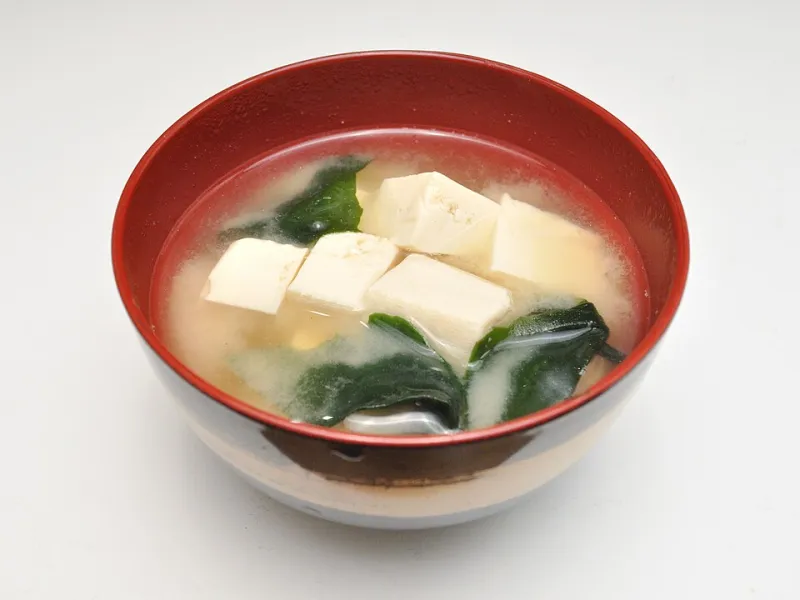
Photo: Ocdp, CC0, via Wikimedia Commons
There's a laminated card in my wallet for a burrito chain that promises a free meal after twelve purchases. I've had it for two years. I have no idea how many punches it has. What I do know is that I've been to the teishoku diner on the corner of my block roughly four times a week for the same stretch of time, and the reason has a lid on it and comes in a lacquered cup.
Free miso soup. Bottomless, at that. Nobody at the diner has ever asked me to download anything.
The Cheapest Thing on the Menu Is Doing the Most Work
Miso soup is, on paper, a nothing dish. Dashi, a spoonful of paste, whatever vegetables were closest to the cutting board. The ingredient cost at most neighborhood diners hovers somewhere in the neighborhood of pocket change per bowl. And yet it's the first thing that arrives and the last thing people talk about when they describe the place.
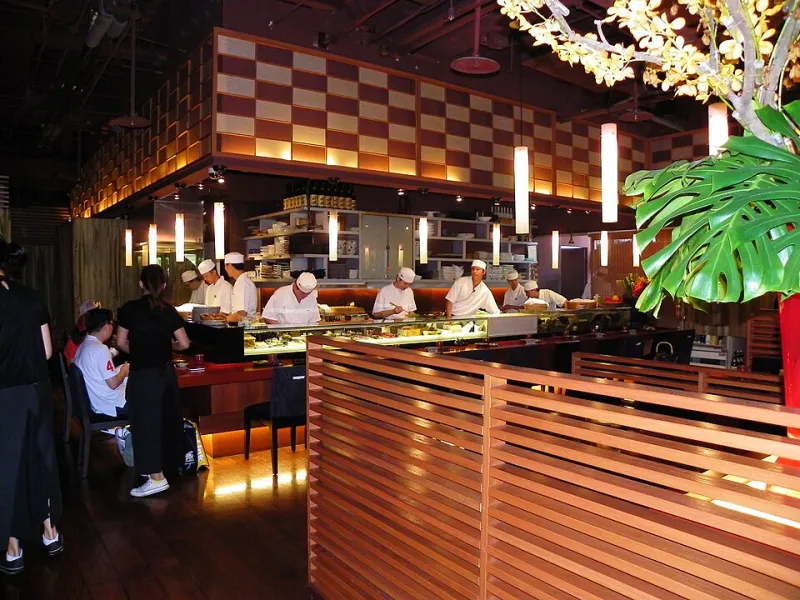
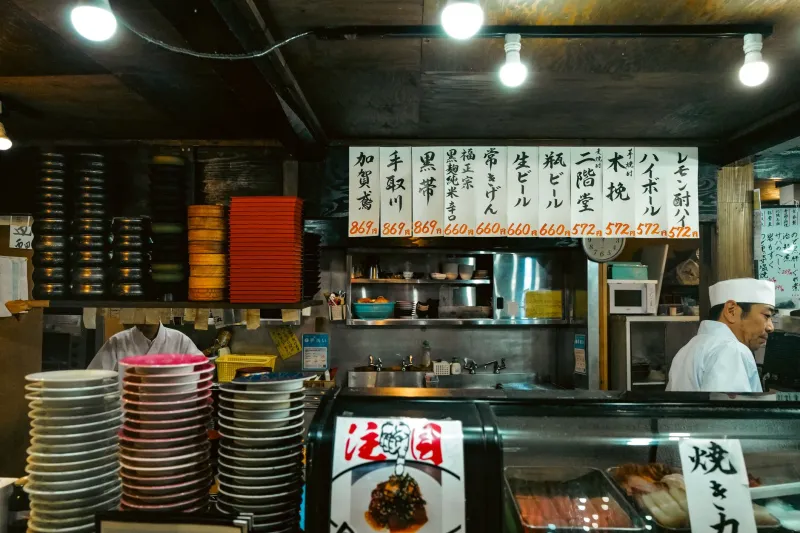
Watch a Japanese teishoku set meal spot at 8 a.m. and you'll see the ritual in action: the soup comes out with breakfast, it stays warm on the table, and when a regular's cup runs low, the staff refills it without being asked. No transaction. No upsell. Just a small act of attention repeated until it becomes the whole reason someone crosses town.
I asked Ray, a retired mail carrier who's held the same window seat at his local diner for a decade, what keeps him coming back. He thought about it for a second and said, "They notice when my cup's empty before I do." That's it. That's the entire loyalty program.
Why the Punch Card Can't Compete
American casual dining has a loyalty problem, and it's structural. Points programs treat customers like machines to be conditioned: spend ten times, get a reward, repeat. The relationship is transactional by design, which is exactly why it never feels like one when you're in it. Nobody has warm feelings about an app notification.
The free miso model inverts the whole thing. The generosity comes first, it's small, and it's unconditional. Psychologists have a name for the effect — the warm glow of an unexpected favor — but you don't need the jargon. You've felt it when a bartender hands you a taste of something you didn't order. The debt you feel isn't financial. It's social. And social debts are the ones people actually pay.
There's also a frequency trick hidden in the soup. A bottomless cup extends the meal. It gives the customer one more reason to linger, one more moment of contact with the staff, one more small experience that separates this diner from the one two blocks over with comparable eggs.
Could an American Chain Pull It Off?
Honestly? A version of it, sure. Denny's once gave away Grand Slams on your birthday and people still bring it up fondly. The lesson isn't "give away soup" — it's "give away something cheap, warm, and frequent enough to become routine." A diner could do bottomless coffee with actual ceremony. A ramen shop could do a small side of tsukemono that never runs out. The item matters less than the ritual around it.
What would sink the idea at most chains is the unconditional part. Somewhere in a corporate office, a manager would put the soup behind a QR code, and the magic would evaporate overnight. The miso works because it's not an offer. It's hospitality wearing a very thin disguise.
The Refill Is the Point
Here's the thing I keep coming back to after a week of watching morning service: the soup itself is almost beside the point. What customers are loyal to is the noticing. In a food landscape optimized for speed and scale, a cup that gets refilled before you ask is a tiny, daily argument that someone is paying attention to you specifically.
You can't punch a card for that. But you can ladle it, one bowl at a time, and let it compound. The diners that understand this — the ones with a line of regulars at 7:30 a.m. — aren't running a loyalty program. They're just being decent, and it turns out that scales better than points ever did.