Forget the Import Aisle: Everyday American Ingredients That Pack a Serious Umami Punch
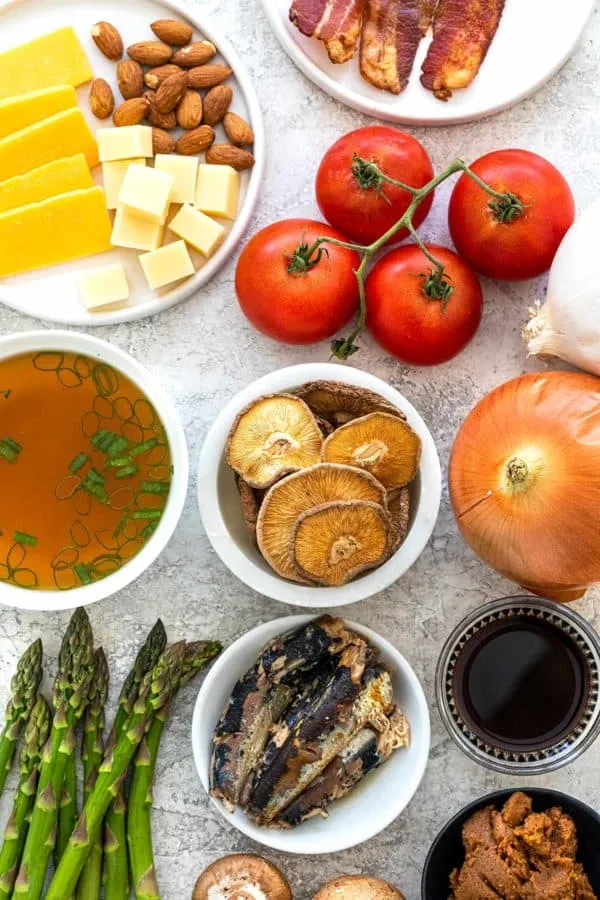
Photo: American pantry ingredients umami cooking flat lay kitchen, via www.jessicagavin.com
Let's be honest — the first time most of us tried to recreate a Japanese dish at home, the ingredient list felt like a scavenger hunt. Dashi? Bonito flakes? White miso from a specific region? The specialty store is forty-five minutes away, the online order won't arrive until Thursday, and dinner is tonight. Sound familiar?
Here's the good news: umami — that savory, mouth-coating depth that makes Japanese comfort food so craveable — isn't some locked-away secret that only imported ingredients can unlock. It's a flavor compound, and nature put it in a whole lot of things you can grab at your neighborhood Kroger, Publix, or Trader Joe's. At Freeman's Shokudo, we're all about bridging that gap between Japanese comfort food culture and the American kitchen, so let's break this down practically.
What Umami Actually Is (And Why It Matters)
Umami is often called the "fifth taste" — alongside sweet, salty, sour, and bitter. Scientifically, it's driven by glutamates and nucleotides, compounds that occur naturally in fermented, aged, dried, and slow-cooked foods. When you eat a bowl of ramen or a plate of karaage and think "why does this taste so good?" — that's umami doing its thing.
The reason Japanese cuisine is so umami-forward is that it leans hard on fermentation (miso, soy sauce), drying (bonito, kombu), and long simmering (dashi broths). The trick is that American cuisine has its own versions of all three of those techniques. You just have to know where to look.
Anchovy Paste: The Secret Weapon in Your Condiment Drawer
If dashi is the backbone of Japanese cooking, anchovy paste is its scrappy American cousin that never gets enough credit. A single teaspoon stirred into a braise, a pan sauce, or a noodle broth dissolves completely and adds that same savory low-note depth without any fishy flavor. It doesn't taste like anchovies — it tastes like more.
Try it in place of dashi when you're making a quick miso soup base, or whisk a small amount into a homemade teriyaki glaze. The tube format (brands like Roland or Cento are widely available) keeps in the fridge for months, making it one of the best value-per-use ingredients you can stock.
Worcestershire Sauce: Already Japanese-Adjacent
Here's a fun fact that surprises a lot of people: Worcestershire sauce is already a major player in Japanese home cooking. Japanese-style Worcestershire (like the kind used in tonkatsu sauce) is a staple, but the American version — yes, the Lea & Perrins bottle next to your steak sauce — works beautifully in a pinch. It's built on fermented anchovies, tamarind, and vinegar, giving it a complex, tangy umami profile that plays well in marinades, dipping sauces, and yakitori glazes.
Mix it with ketchup and a little soy sauce and you've got a passable tonkatsu sauce that'll make your homemade pork cutlets sing.
Aged Cheese: Unexpected, Undeniable
Parmigiano-Reggiano is basically the kombu of European cooking. Both are loaded with free glutamates; both are used to build a savory foundation in their respective cuisines. Grating a small amount of aged Parmesan into a creamy udon sauce or a Japanese-style corn soup adds body and depth in a way that's genuinely hard to distinguish from the real thing.
Same goes for sharp aged cheddar — widely available, budget-friendly, and glutamate-rich. It won't replace miso in every context, but in baked or gratin-style dishes inspired by Japanese comfort food, it pulls serious weight.
Dried Mushrooms: The Kombu Stand-In That's Everywhere
Kombu (dried kelp) is the gold standard for umami-rich broth in Japanese cooking. But dried shiitake mushrooms, which you can find in the produce section of most major US supermarkets, are almost as powerful — and dried porcini mushrooms (common in the pasta aisle) are right there with them. Both are packed with nucleotides that amplify savory flavor.
Soak a handful of dried shiitakes in hot water for twenty minutes and you've got a light, earthy dashi-adjacent broth that works beautifully as a vegetarian ramen base, a soup starting point, or a liquid for braising tofu. The rehydrated mushrooms themselves can be sliced and used as a topping — nothing goes to waste.
Tomato Paste: The Glutamate Powerhouse Nobody Thinks About
Tomatoes are one of the most glutamate-dense foods on the planet, and tomato paste is essentially concentrated umami in a can. A tablespoon stirred into a meatball mixture before frying, a beef-based curry roux, or even a slow-cooked pork belly preparation adds a rounded, savory depth that reads more "complex" than "tomato-y."
Japanese yoshoku (Western-influenced Japanese cooking) already leans on tomato in dishes like omurice and hayashi rice, so this isn't as much of a stretch as it sounds. Think of tomato paste as a supporting actor — it's not trying to be the star, just making everyone else better.
White Miso's Closest American Approximation
Okay, full transparency: nothing perfectly replaces miso. But if you're in a bind, a combination of tahini (for the fermented, nutty notes) and a small amount of soy sauce gets you surprisingly close in mild, sweet preparations like miso-glazed salmon or miso butter. Some cooks also swear by chickpea miso, which is now produced domestically by several US brands and available at Whole Foods and health food stores — it's not traditional, but it's genuinely good and doesn't carry the import markup.
Putting It Together
The point isn't to permanently replace Japanese pantry staples — if you live near a good Asian grocery store, absolutely stock the real thing. The point is that Japanese-inspired cooking shouldn't feel gated behind specialty shopping trips or premium price tags. Umami is everywhere once you know how to spot it, and your everyday American pantry is more powerful than you think.
Next time a recipe calls for something you don't have, ask yourself: what's the flavor function here? Savory depth? Fermented complexity? Dried intensity? Chances are, you've already got something on your shelf that can answer that call. Cook confident, cook smart, and don't let the ingredient list stop you before you even get started.