Fried Chicken Showdown: Karaage vs. Katsu vs. Tatsuta-Age — Pick Your Fighter
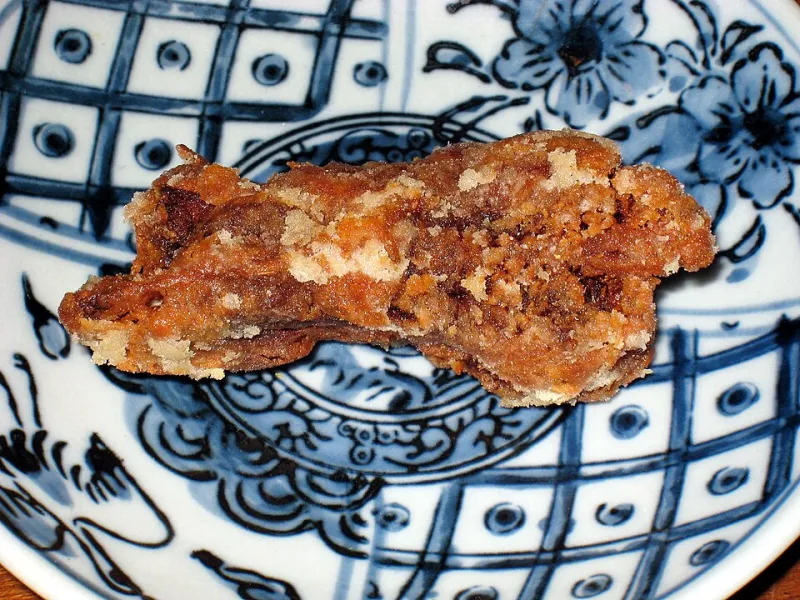
Photo: rhosoi from Yoshida-machi, Naka, Yokohama, CC BY 2.0, via Wikimedia Commons
America has always had a complicated, deeply committed relationship with fried chicken. So it makes sense that when Japanese fried chicken styles started showing up on casual dining menus from Nashville to Seattle, people didn't just eat them — they got obsessed. Suddenly, karaage was on happy hour menus next to buffalo wings. Chicken katsu sandwiches were competing with Nashville hot for Instagram real estate. And tatsuta-age, the dark horse of the trio, started quietly earning its own devoted fanbase among home cooks who wanted something a little more complex.
But here's the thing: karaage, katsu, and tatsuta-age are not the same dish with different names. They have distinct techniques, distinct textures, and distinct personalities at the table. If you're going to master even one of them — and you absolutely should — it helps to know what you're actually choosing between.
Karaage: The Crowd-Pleaser
What it is: Small, bone-in or boneless pieces of chicken thigh, marinated in a soy-ginger-garlic mixture, lightly coated in potato starch or a starch-flour blend, and fried twice for maximum crunch.
Texture profile: Juicy and tender on the inside with a thin, shatteringly crisp crust. The double-fry method — once at a lower temperature to cook through, once at a higher heat to crisp — is the key to that contrast.
The marinade matters most here. A classic karaage marinade is built on soy sauce, sake, fresh ginger, and garlic. Some cooks add a touch of sesame oil. The chicken typically soaks for at least 30 minutes, though overnight is better. That marinade isn't just flavor — it also helps the starch coating adhere and contributes to the color during frying.
Sauce pairings: Karaage is traditionally served with Japanese mayo (Kewpie is the gold standard) and a wedge of lemon. The richness of the mayo plays perfectly against the salty, savory crust. Some spots serve it with a ponzu dipping sauce for a citrusy, lighter option.
Best for: Appetizers, bar snacks, or piled into a rice bowl with shredded cabbage and a drizzle of Kewpie. It's also the most forgiving of the three techniques — small pieces fry quickly and the thin coating leaves less room for error.
Skill level: Beginner to intermediate. The double-fry takes a little practice to time correctly, but the window for success is wide.
Chicken Katsu: The Showstopper
What it is: A flattened chicken breast (or thigh) cutlet, breaded in a three-step coating of flour, egg wash, and panko breadcrumbs, then pan-fried or deep-fried until deeply golden.
Texture profile: The panko crust is thicker, crunchier, and airier than a standard American breading. It creates an almost architectural shell around the meat — you can hear it crunch from across the table. The interior, when done right, is moist and tender with a clean chicken flavor that lets the sauce do the talking.
The breading is the whole game. Panko breadcrumbs are coarser and drier than Western-style breadcrumbs, which means they fry up with larger, more irregular surfaces that catch oil and crisp up dramatically. Don't substitute regular breadcrumbs. Just don't.
Sauce pairings: Tonkatsu sauce — a thick, tangy, slightly sweet condiment similar to Worcestershire but richer — is the classic pairing. It's available bottled (Bull-Dog is the most recognized brand stateside) and makes an enormous difference. Katsu curry, where the cutlet is served over Japanese curry rice, is also wildly popular and worth making at home.
Best for: A proper sit-down meal. Katsu is a main event, not a snack. It works beautifully in sandwiches (katsu sando on milk bread is having a serious moment in American cities right now), over rice with shredded cabbage and miso soup on the side, or as the centerpiece of a Japanese-style plate lunch.
Skill level: Intermediate. Getting the cutlet to an even thickness is important — pound it out to about half an inch for consistent cooking. Oil temperature management is also key; too hot and the crust burns before the chicken cooks through.
Tatsuta-Age: The Dark Horse
What it is: Similar in form to karaage — marinated, starch-coated, fried chicken pieces — but the marinade here is noticeably heavier on soy sauce and mirin, which gives the finished chicken a deep reddish-brown color and a more intensely savory, slightly sweet flavor profile.
Texture profile: Crispier and chewier than karaage, with a darker crust that carries more flavor on its own. The higher sugar content from the mirin means it can catch color quickly, so temperature control is more critical.
What sets it apart: The name comes from the Tatsuta River in Japan, known for its autumn red leaves — a poetic reference to the deep color the marinade produces. The flavor is bolder and more complex than karaage. Where karaage is bright and garlicky, tatsuta-age is deeper, almost caramelized.
Sauce pairings: Tatsuta-age is assertive enough to stand on its own with just a squeeze of lemon or a simple ponzu. Japanese mayo works here too, but the dish doesn't need as much help as karaage does.
Best for: Bento boxes, cold lunch situations (it actually tastes great at room temperature), and anyone who wants a fried chicken that holds its own as a standalone flavor experience. It's also an excellent gateway for home cooks who want to go a step beyond karaage without committing to the full breading process of katsu.
Skill level: Intermediate. The mirin in the marinade means you need to watch your oil temperature carefully to avoid burning the exterior before the chicken is cooked through.
So Which One Should You Learn First?
Here's the honest answer: start with karaage. It's the most approachable, the most versatile, and the one most likely to become a regular in your cooking rotation. The ingredients are minimal, the technique is learnable in a single session, and the results are crowd-pleasing in a way that's hard to overstate.
Once you're comfortable with karaage, katsu is the natural next step — it expands your technique into breading territory and opens up a whole world of Japanese comfort food applications, from katsu sando to katsu curry.
Tatsuta-age is the one to reach for when you're ready to nerd out a little. It rewards attention and patience with a flavor depth that neither of the other two quite matches.
At Freeman's Shokudo, we believe that understanding why a technique works is just as important as following the recipe. All three of these styles are rooted in the same Japanese philosophy of thoughtful preparation and textural contrast — they just express it differently. Pick your fighter, get your oil hot, and don't skip the Kewpie.