Stock Your Pantry Like a Japanese Grandma, Cook Like a Genius Every Night
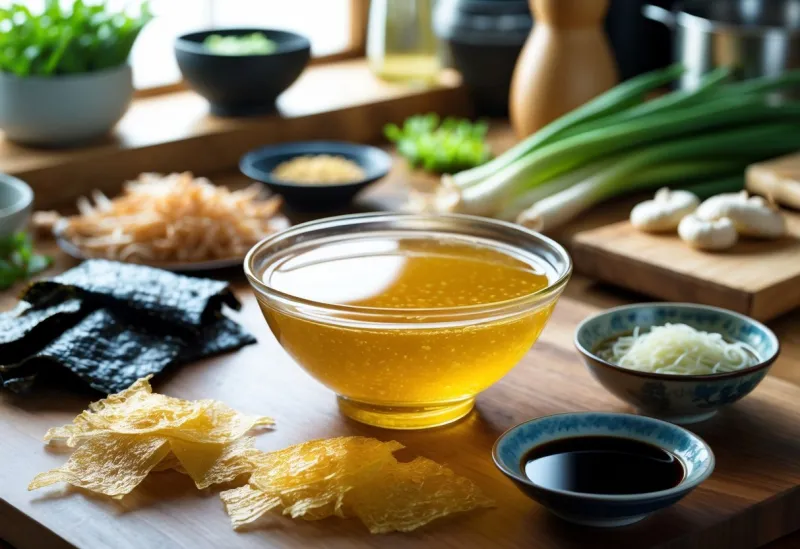
Photo: Japanese pantry ingredients miso soy sauce mirin dashi on wooden kitchen counter, via koala.sh
There's a jar of white miso sitting in Danielle Kowalski's refrigerator in Columbus, Ohio, right next to the cream cheese and the leftover pasta. She's not Japanese. She's never been to Japan. But about two years ago, a cooking video convinced her to whisk a spoonful of miso into her salad dressing, and she says she hasn't made it any other way since.
"I don't even know how to explain it," she told us. "It just tastes like more. Like the dressing finally grew up."
Danielle is far from alone. Across the country, American home cooks are quietly building out their pantries with Japanese staples that were, until recently, considered specialty-store finds. Miso, soy sauce, mirin, and dashi have graduated from the "exotic ingredient" aisle into everyday kitchen essentials — and the shift says a lot about how American taste buds are evolving.
What Is Umami, Really?
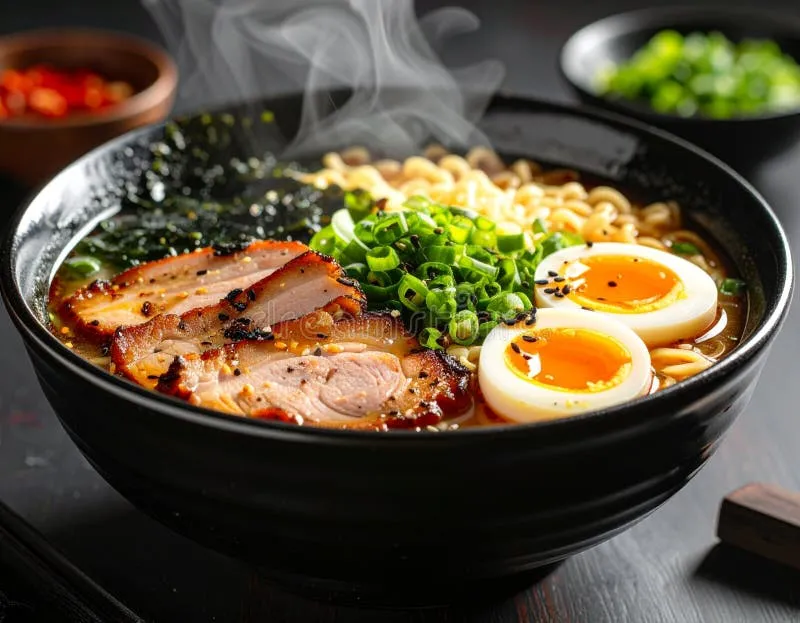
Before we get into the ingredients themselves, it helps to understand what they all have in common. Umami — often described as the fifth taste alongside sweet, salty, sour, and bitter — is that deep, savory, almost mouth-coating richness you get from aged cheeses, slow-cooked meats, and, yes, a well-seasoned bowl of ramen. It's not a flavor so much as a flavor amplifier. It makes everything around it taste more like itself.
Japanese cuisine has been engineering umami into everyday cooking for centuries. The ingredients that carry it best — fermented soybean paste, brewed soy sauce, sweet rice wine, and kelp-and-bonito broth — are workhorses of the Japanese kitchen. What's new is that American cooks are finally catching on to how universally useful they are.
Miso: The Fermented MVP
If you only add one Japanese ingredient to your pantry, make it miso. This fermented soybean paste comes in a range of styles — white (shiro) miso is mild and slightly sweet, red (aka) miso is deeper and saltier, and the mixed varieties fall somewhere in between. Each one is packed with glutamates, the naturally occurring compounds responsible for that signature umami punch.
The magic of miso is its versatility. Yes, it makes incredible soup. But it also works as a marinade base for salmon, a glaze for roasted vegetables, a secret weapon in mac and cheese, and a depth-builder in vinaigrettes. Chef Marcus Tran, who runs a small American bistro in Austin, started incorporating white miso into his butter sauces about three years ago. "My regulars kept saying the sauces tasted richer, more complex. Nobody guessed it was miso until I told them," he said. "Now it's non-negotiable in my kitchen."
Buying tip: Look for miso sold in sealed tubs or pouches rather than powder form. Refrigerate it after opening and it'll last for months. Brands like Hikari, Marukome, and Miso Master are widely available at Whole Foods, Trader Joe's, and most Asian grocery stores.
Soy Sauce: Not All Bottles Are Created Equal
Most Americans have had soy sauce. Fewer have had good soy sauce. The difference matters more than people realize.
The stuff in those tiny packets at your local takeout spot is usually a thin, aggressively salty product. Proper Japanese soy sauce — shoyu — is brewed slowly, often for months, and carries a layered complexity that cheap versions simply can't replicate. Koikuchi (dark soy sauce) is the most common and all-purpose. Tamari is wheat-free and richer, great for dipping and finishing. Shiro shoyu (white soy sauce) is lighter in color and flavor, ideal when you don't want to darken a dish.
Beyond stir-fries and fried rice, soy sauce does remarkable things in unexpected places. A small splash into a beef stew adds savory backbone without tasting remotely Asian. A few drops in scrambled eggs amplifies the richness. Even a drizzle over buttered popcorn has developed a devoted following online.
Buying tip: Kikkoman's traditionally brewed soy sauce is a reliable everyday option. For something more premium, Yamasa and San-J offer excellent bottles at reasonable prices. Avoid anything labeled "soy sauce flavoring" — that's a different, inferior product.
Mirin: The Sweet Sauce Secret
Mirin is a sweet rice wine used primarily in cooking, and it's responsible for that glossy, lacquered finish on teriyaki and yakitori. But its role goes beyond aesthetics. Mirin adds a gentle sweetness that's more nuanced than plain sugar, along with a subtle acidity that balances rich flavors.
In American cooking, mirin works beautifully in barbecue glazes, pan sauces, and braising liquids. A tablespoon stirred into a weeknight tomato sauce adds a brightness that's hard to identify but impossible to ignore. It's also fantastic in cocktail applications — bartenders in cities like Chicago and Portland have started using it as a modifier in sake-based drinks.
Buying tip: Look for hon mirin (true mirin) rather than mirin-style seasoning, which contains additives and less actual rice wine. Kikkoman and Takara are trustworthy brands. You'll find it at most Asian markets and increasingly at mainstream grocery chains.
Dashi: The Broth That Does Everything
If miso is the pantry MVP, dashi is the unsung foundation beneath it. This light, clean Japanese broth — typically made from kombu (dried kelp) and katsuobushi (bonito flakes) — is the base of miso soup, ramen broth, and countless Japanese sauces. It's also one of the most umami-dense liquids you can make at home in under 30 minutes.
For American cooks intimidated by making dashi from scratch, instant dashi powder (dashi no moto) is a legitimate shortcut. It dissolves in hot water and delivers a surprisingly authentic result. More adventurous cooks can cold-brew kombu overnight for a vegetarian version that's subtle and deeply savory.
Dashi's versatility in non-Japanese cooking is genuinely underexplored. Use it as the liquid base for risotto instead of chicken stock. Poach fish in it. Add a cup to your next pot of beans. The results are quieter than you might expect — you won't taste "Japanese food" — you'll just taste something remarkably good.
Why This Shift Is Happening Now
The rise of Japanese pantry staples in American kitchens isn't happening in a vacuum. Social media cooking content, the post-pandemic surge in home cooking, and a broader cultural openness to global flavors have all accelerated the trend. But at its core, this is about results. These ingredients work. They make food taste better with very little effort, and that's a message that resonates regardless of culinary background.
At Freeman's Shokudo, we've always believed that Japanese comfort food culture has something profound to offer the American table — not as a replacement for what we already love, but as an upgrade. A spoonful of miso in your gravy isn't fusion. It's just good cooking.
Start with one ingredient. See what it does to something you already make. We're willing to bet you'll have a Danielle moment of your own.