Your Kitchen, Your Izakaya: A No-Stress Playbook for Hosting a Japanese Pub Night at Home
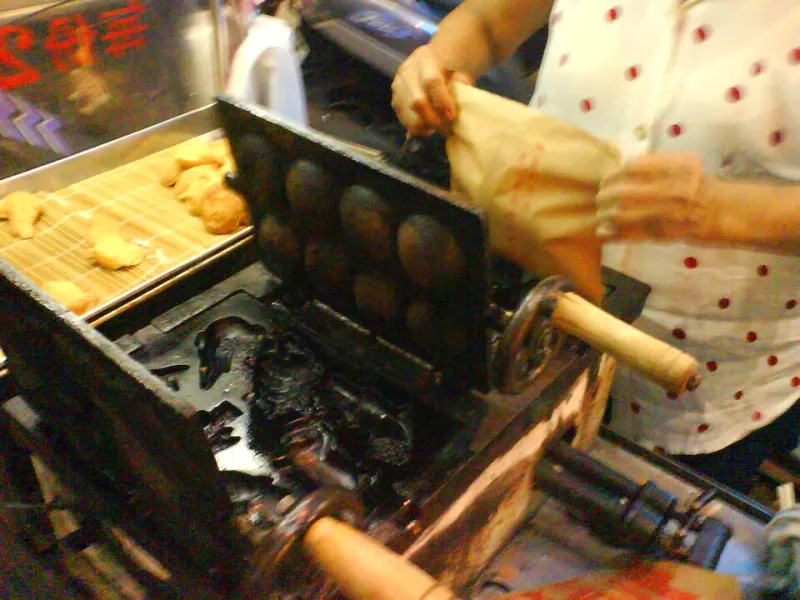
Photo: hustenbonbon2, CC BY 2.0, via Wikimedia Commons
There's a specific feeling you get at a great izakaya. You're crammed around a low table with people you actually like. Someone ordered too much food and nobody's complaining. The beer is cold, the yakitori is smoky, and the conversation has been going for two hours without anyone checking the time. It's casual in the best possible way — the kind of evening that doesn't feel planned even when it absolutely was.
That feeling is 100% achievable in your own home, and it's a lot more accessible than you might think. You don't need a Japanese grandmother's recipe book or a professional grill setup. You need a strategy, a few key dishes, and the right mindset going in. At Freeman's Shokudo, we live for exactly this kind of crossover — Japanese comfort food culture translated for real American kitchens and real American hosting situations. So let's build your izakaya night from the ground up.
First, Understand What an Izakaya Actually Is
The word "izakaya" breaks down roughly to "stay-sake-place" — a spot where you linger over drinks and food, not a restaurant where you eat and leave. The food is almost always small plates (called otsumami or sakana), designed to complement drinking rather than replace a full meal. Think of it like Japanese tapas, but with better beer and less pretension.
The communal, share-everything format is the core of the experience. Nobody has their own entrée. Plates land in the middle of the table and people reach. It's relaxed, interactive, and — crucially for hosts — it means you don't have to time everything perfectly. Something's always arriving. Nobody's waiting.
Setting the Scene Without Overdoing It
You don't need paper lanterns or a sake shrine to set the right mood. A few small choices go a long way:
- Low lighting. Candles, a dimmer switch, or even just turning off the overhead and using lamps creates that warm, intimate izakaya atmosphere immediately.
- Smaller plates and shared serving dishes. Ditch the big dinner plates. Use small dishes, ramekins, and wooden boards to present food in shareable portions.
- Background music. Japanese city pop (look up Tatsuro Yamashita or Mariya Takeuchi on Spotify) or even a lo-fi jazz playlist keeps the energy right — present but not distracting.
- Drinks on the table early. In a real izakaya, your first drink arrives before you've even looked at the menu. Pour beer or set out a bottle of whisky before guests sit down. It signals immediately: this is that kind of night.
The Drink Situation: Beer, Sake, and Whisky
You've got three strong options for an izakaya-style drinks setup, and mixing and matching is encouraged.
Japanese lager is the default. Sapporo, Kirin, and Asahi are all widely available at US liquor stores and Total Wine. They're light, crisp, and specifically designed to work alongside salty, savory food. If you want to go domestic, a clean American pilsner or a light lager does the job just fine.
Sake is more approachable than most Americans expect. For a casual night, skip the expensive aged varieties and go for a mid-range junmai (pure rice sake) served cold. Look for bottles from SakéOne (an Oregon-based brewery) or grab a Hakutsuru or Gekkeikan from most Total Wine locations. Don't overthink it — cold sake in a small glass is already impressive to most guests.
Japanese whisky (or a good Scotch if budget is a concern) works beautifully as a highball. Fill a tall glass with ice, pour two fingers of whisky, and top with cold sparkling water. It's refreshing, low-effort, and feels genuinely authentic to the izakaya experience.
Building Your Menu: The Small-Plate Strategy
The goal is variety, not volume. Aim for six to eight small dishes across different cooking methods — something fried, something grilled, something cold, something warm — rather than three or four large ones. This keeps the table interesting and lets guests graze at their own pace.
Here's a foolproof menu template that can be mostly prepped ahead:
Make ahead (day before or morning of):
- Marinated cucumber sunomono — thinly sliced cucumbers in rice vinegar, sugar, and sesame. Takes ten minutes and gets better as it sits.
- Chicken karaage — marinate overnight in soy, ginger, and sake. Fry to order (they take about six minutes) or fry ahead and reheat in the oven.
- Gyoza — buy frozen (Trader Joe's potstickers work great), pan-fry in batches before guests arrive, and keep warm in a low oven.
Quick to execute when guests are there:
- Yakitori skewers — chicken thigh and green onion, brushed with tare (a mix of soy sauce, mirin, sugar, and sake reduced in a saucepan). Grill on a cast iron grill pan or under the broiler.
- Edamame — boiled from frozen, tossed with flaky salt and a little sesame oil. Five minutes, zero stress, always a hit.
- Tamagoyaki — Japanese rolled omelet, made in a regular nonstick pan. Serve sliced at room temperature.
A starchy anchor for late in the evening:
- Yaki onigiri — rice balls brushed with soy sauce and pan-fried until crispy. Or a simple garlic fried rice if you want something heartier.
The Hosting Mindset: Be a Guest at Your Own Party
This is where American dinner party culture sometimes gets in its own way. We're wired to think hosting means being in the kitchen while everyone else has fun. Izakaya culture flips that completely — the host is part of the table, not running service.
The small-plate format is your best friend here. Because dishes arrive in waves rather than all at once, you can cook one thing, bring it out, sit down, have a drink, then get up and do the next thing fifteen minutes later. Nobody's waiting on a synchronized three-course timing. Nobody notices you stepped away for five minutes to fry a second batch of karaage.
Set out the drinks, the edamame, and the sunomono before anyone sits down. Everything else is just adding to the table as the night unfolds. By the time you bring out the yakitori, you've been hanging out with your guests for an hour and everyone's already comfortable.
The Part That Makes It Stick
What makes izakaya culture so lasting — why it's survived centuries in Japan and why it's quietly winning over American food lovers right now — is that it prioritizes the experience of eating together over the performance of cooking. The food is good, but it's in service of the gathering, not the other way around.
Your guests aren't coming to be impressed by your knife skills. They're coming to eat something delicious, drink something cold, and spend a few unhurried hours with people they like. Give them that, and your kitchen izakaya will be the thing they're still talking about two weeks later.