The Pickle That Upstages Everything Else on the Plate: 7 Japanese Tsukemono Worth Making Room For
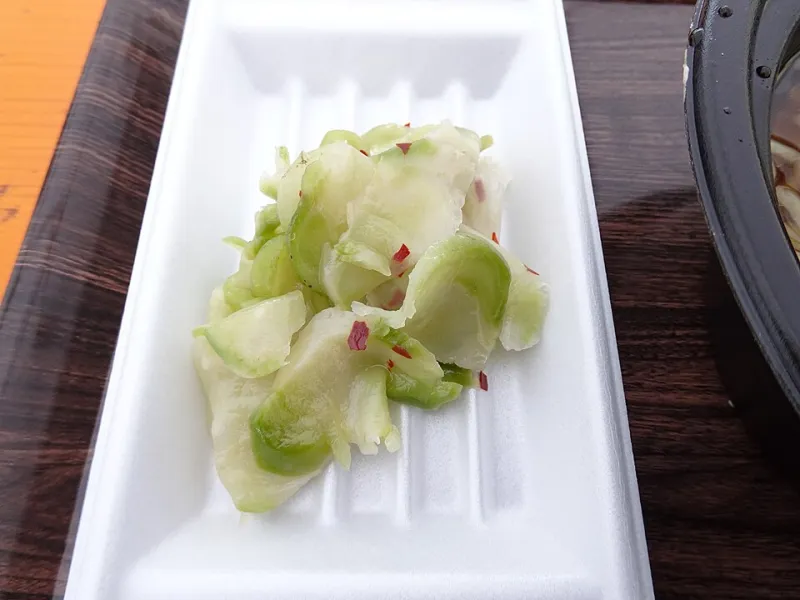
Photo: RuinDig/Yuki Uchida, CC BY 4.0, via Wikimedia Commons
Every great meal has that one supporting character who quietly runs the whole show. The side dish nobody ordered intentionally but everyone ends up fighting over. The thing that makes you realize the main event was actually kind of boring without it.
In Japanese cuisine, that role belongs to tsukemono.
Tsukemono — literally "pickled things" — is a broad category covering vegetables preserved through salt, brine, rice bran, miso, soy sauce, or vinegar. They've been part of Japanese meals for centuries, traditionally served as palate cleansers and digestive aids alongside rice and soup. But here's what the traditional description doesn't quite capture: they're also just incredibly, stubbornly delicious. Bright, crunchy, funky, tangy, sometimes sweet — tsukemono have a way of making every other element on the plate taste more like itself.
And the best part? You don't need a Japanese grandmother's kitchen, a ceramic crock, or any special equipment to start making them. Most of these can be pulled together with a zip-lock bag and a spare afternoon.
Here are seven varieties worth adding to your rotation — and a few unexpected ways to use them beyond the rice bowl.
1. Takuan (Pickled Daikon Radish)
Flavor profile: Sweet, tangy, faintly funky, with a satisfying crunch that holds up even after days in the fridge.
Takuan is probably the most recognizable tsukemono to American diners — those bright yellow slices that show up in sushi rolls and bento boxes. The color comes from turmeric or gardenia fruit used in traditional recipes, and the flavor is milder and sweeter than you might expect from something that looks like a neon highlighter.
Daikon radish is pickled in a salt-and-sugar brine, sometimes with rice bran for the traditional version, over several weeks. But a quick-pickle hack gets you surprisingly close in 24 hours: slice daikon thin, toss with rice vinegar, sugar, salt, and a pinch of turmeric, and let it sit overnight in a sealed container.
Unexpected pairing: Tuck slices into a pulled pork sandwich instead of coleslaw. The sweet-tangy crunch cuts through the richness in exactly the same way — but with more personality.
2. Kyuri Asazuke (Lightly Salted Cucumber)
Flavor profile: Clean, cool, lightly briny, with just enough salt to make the cucumber taste more like itself.
Asazuke means "lightly pickled," and kyuri (cucumber) asazuke is the gateway drug of the tsukemono world. You're not fermenting anything. You're barely even pickling. You're just salting cucumber slices, pressing out the excess water, and letting them sit with a bit of rice vinegar and sesame oil for an hour or two.
The result is something that tastes simultaneously fresh and preserved — cucumber with its volume turned up.
Quick recipe hack: Slice English cucumbers on the bias, toss with 1 tsp kosher salt per cucumber, and let sit 20 minutes. Squeeze out the liquid, then dress with 1 tbsp rice vinegar, 1 tsp sesame oil, and a pinch of sugar. Top with sesame seeds. Done in under 30 minutes, no equipment needed.
Unexpected pairing: Serve alongside grilled salmon or any fish taco situation. The clean, cool crunch plays beautifully against anything smoky or charred.
3. Umeboshi (Pickled Plum)
Flavor profile: Intensely sour, salty, and slightly floral. Not for the faint of heart — but deeply addictive.
Umeboshi are technically a fruit pickle — small Japanese plums (actually closer to apricots) cured in salt and often red shiso leaves, which give them their vivid purple-red color. They're one of the most polarizing things in Japanese cuisine: people either fall in love immediately or need a few tries to get there.
They're also extraordinarily versatile. In Japan, a single umeboshi in the center of a rice bowl (hinomaru bento) is considered a complete meal component. In the US, chefs are using them in salad dressings, compound butters, and cocktail garnishes.
Unexpected pairing: Pit and mince one umeboshi, then mix into softened butter with a little honey. Serve on corn on the cob. The salt-sour-sweet combination is borderline revelatory.
4. Nasu Tsukemono (Pickled Eggplant)
Flavor profile: Soft, savory, slightly sweet, with a silky texture that's completely different from any Western pickled vegetable.
Pickled eggplant is where tsukemono starts to feel genuinely exotic to American palates — and that's a good thing. Japanese eggplant varieties are smaller and less bitter than the globe eggplant most Americans are used to, and a short salt cure transforms them into something tender and deeply savory.
Quick recipe hack: Slice Japanese eggplant into half-moons, salt generously, and let drain for 30 minutes. Rinse, then marinate in a mixture of soy sauce, mirin, rice vinegar, and a little grated ginger for at least two hours.
Unexpected pairing: Serve alongside braised short ribs or any slow-cooked beef dish. The acidity and savory depth of the pickled eggplant cuts through the fat without fighting the richness.
5. Gari (Pickled Ginger)
Flavor profile: Sweet, sharp, gently spicy, with a clean finish that literally resets your taste buds between bites.
Most Americans know gari as the pale pink stuff that comes with sushi. But making it at home — or buying a quality jar instead of the neon-pink, artificially colored version — reveals how nuanced it actually is. Young ginger pickled in sweet vinegar has a floral heat that's completely different from the harsh bite of raw ginger.
Gari's whole job is palate cleansing, which makes it secretly one of the most useful condiments in your fridge.
Unexpected pairing: Chop finely and stir into chicken salad or tuna salad instead of relish. It adds brightness and a gentle heat that makes the whole thing feel more alive.
6. Hakusai Tsukemono (Pickled Napa Cabbage)
Flavor profile: Mild, slightly sour, pleasantly crunchy — like the Japanese answer to sauerkraut, but gentler.
Napa cabbage pickled with salt and sometimes kombu is one of the most approachable tsukemono for American home cooks, partly because the process is so similar to making sauerkraut or quick kimchi. You're essentially just salting the cabbage, letting it release its water, and then adding flavorings — rice vinegar, chili flake, sesame, whatever sounds right.
Quick recipe hack: Chop napa cabbage into rough pieces, toss with 1.5 tsp salt per pound, and let sit for an hour. Squeeze out liquid, then dress with rice vinegar, a pinch of sugar, and toasted sesame seeds. Refrigerate overnight for best results.
Unexpected pairing: Pile onto a hot dog or brat instead of sauerkraut. Same concept, completely different flavor register.
7. Myoga (Pickled Japanese Ginger Bud)
Flavor profile: Floral, mildly sharp, faintly bitter, with a crunch that's closer to a shallot than to ginger root.
Myoga is the tsukemono that tends to stop people in their tracks — not because it's challenging, but because it tastes like nothing else. Japanese ginger buds have a delicate, almost perfume-like quality when pickled in a sweet vinegar brine, and they add a dimension to dishes that's genuinely hard to describe until you've tasted it.
You can find myoga at Japanese grocery stores and many Asian supermarkets. Pickled versions are available jarred, but fresh myoga lightly cured with salt and rice vinegar is worth the extra step.
Unexpected pairing: Slice thinly and scatter over a bowl of chilled soba, a grain salad, or even a simple avocado toast situation. The floral, tangy bite makes everything underneath it taste more interesting.
The Bigger Picture
What makes tsukemono genuinely exciting for American home cooks isn't just the flavors — it's the philosophy. These are vegetables transformed through patience and a handful of pantry ingredients into something greater than the sum of their parts. No special equipment, no lengthy cooking process, no culinary school required.
At Freeman's Shokudo, tsukemono aren't an afterthought. They're proof that the most interesting thing on the table is often the smallest one. Give them a spot on your plate — even next to your most American main dish — and see what happens. Odds are, they'll steal the show.