Not All Soy Sauce Is the Same — Here's How to Stop Using Yours Wrong
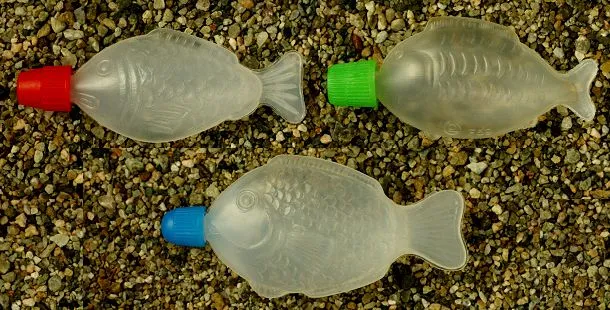
Photo: 沢田佳久, CC BY-SA 4.0, via Wikimedia Commons
Let's be honest. For most American home cooks, soy sauce is soy sauce. One bottle, one job. You splash it into a stir-fry, shake some over fried rice, maybe dunk a dumpling or two. Done. But here's the thing — that single-bottle approach is leaving a lot of flavor on the table, and the fix is already sitting right there at your nearest grocery store.
You don't need to track down a specialty import shop or spend twenty dollars on a ceramic-stoppered artisan bottle. The mainstream supermarket soy sauce aisle — yes, even at your average Kroger or Walmart — has more to offer than most people realize. You just have to know what you're looking at.
Why Soy Sauce Isn't One-Size-Fits-All
Soy sauce, or shoyu in Japanese, comes in several distinct styles, each with its own flavor profile, salt level, color, and best use. The problem is that most bottles in America are labeled simply as "soy sauce" with very little guidance on what makes them different or when to reach for one over another.
At the broadest level, you're dealing with a spectrum that runs from light and delicate to dark and molasses-rich. Understanding where your bottle falls on that spectrum changes how you cook with it entirely.
Koikuchi: The Everyday Workhorse
The bottle you probably already own is almost certainly koikuchi shoyu — deep amber, sharply salty, with that unmistakable savory punch. Brands like Kikkoman's regular soy sauce and La Choy both fall into this category, though Kikkoman's naturally brewed version has noticeably more complexity.
Koikuchi is your all-purpose player. It works in marinades, braises, glazes, and dipping sauces. The key is knowing when not to use it. Because of its deep color, a heavy hand in a light-colored dish — say, a cream-based sauce or a pale broth — will muddy the look and overpower the flavor. Save it for bold applications where the color and intensity are welcome.
Best uses: Teriyaki glaze, gyoza dipping sauce, ramen tare, beef stir-fry
Usukuchi: The One You're Probably Missing
If there's a single soy sauce upgrade worth making, it's adding a bottle of usukuchi to your rotation. This lighter-colored shoyu is actually saltier than koikuchi but far less visually dominant. It lets you season a dish without staining it.
Brands like Kikkoman's "Less Sodium" are sometimes confused for usukuchi, but they're not the same thing. True usukuchi, which you can find at Asian grocery stores and increasingly at Whole Foods or well-stocked H-E-B locations, has a slightly sweeter, more delicate character.
Use it anywhere you want seasoning without the dark color — egg dishes, light soups, steamed fish, or even scrambled eggs if you're feeling adventurous.
Best uses: Chawanmushi, udon broth, steamed clams, pale sauces
Tamari: The Glutinous Secret Weapon
Tamari has had a bit of a wellness-food reputation in the U.S. — you'll find it shelved near the gluten-free products in most mainstream stores. But its appeal goes way beyond dietary restriction. Made with little to no wheat, tamari is thicker, richer, and noticeably less sharp than standard koikuchi. It has a rounder, almost mellow depth that makes it exceptional as a finishing sauce.
San-J is the most widely available tamari brand in American supermarkets, and it's genuinely good. Try using it as a dipping sauce on its own with sashimi, or drizzle it over a bowl of plain white rice with a pat of butter. Simple, but the difference is immediate.
Best uses: Sashimi dipping, finishing rice and noodle dishes, dressings, glazing roasted vegetables
White Shoyu: The Sleeper Hit
This one is harder to find in conventional grocery stores, but it's worth mentioning because it's slowly appearing in places like Trader Joe's and specialty sections of larger chains. Shiro shoyu, or white soy sauce, is pale gold and surprisingly light — it tastes almost more like a seasoned dashi than traditional soy sauce. It's barely fermented by comparison, and its salt-to-flavor ratio is uniquely balanced.
Chefs use it to season dishes where they want umami without any of soy sauce's characteristic darkness or sharpness. Think: butter-based sauces, light pasta dishes, even cocktails.
Best uses: Compound butters, pasta aglio e olio, clam chowder seasoning, clear broths
How to Actually Taste the Difference
The best way to train your palate is embarrassingly simple: pour a small amount of each variety into separate spoons and taste them back to back. No food, no distractions. You'll immediately notice differences in salt level, sweetness, color depth, and aftertaste.
From there, start swapping intentionally. Next time you make a marinade, try tamari instead of regular soy sauce. When you're building a clear soup, reach for usukuchi. Let the dish tell you what it needs rather than defaulting to habit.
The Shelf Situation
One thing that often gets overlooked: soy sauce degrades after opening. Exposure to air causes oxidation, which dulls the flavor over time. Keep opened bottles in the refrigerator if you're not going through them quickly, and pay attention to the "best by" date — it actually matters here.
For everyday cooking, a 10-ounce bottle of koikuchi and a smaller bottle of tamari will cover most of your bases without crowding your pantry. Add usukuchi when you're ready to level up.
The Takeaway
You don't need to become a soy sauce collector or spend big on imports to cook better Japanese-inspired food at home. The variety already available at your local supermarket — if you actually look — is more than enough to start cooking with intention. The goal isn't complexity for its own sake. It's understanding your ingredients well enough to make deliberate choices.
That's the Freeman's approach. Use what's accessible, use it wisely, and taste as you go.